3D Maze
A platform for teaching programming fundamentals through maze-based challenges
2023
Data Science and AI Research Centre @ NTU
Impact
Delivered moderate to significant improvements in student learning and engagement (reported by instructors)
Achieved 74% positive user experience rating from students on launch
Successfully scaled to support 6,000+ students in a live university course
Role
Product Designer
Software
Figma
Team
Frontend developer
Backend developer
Expertise
Interaction design
Information architecture
Visual design
UX writing
Role
Product Designer
Software
Figma
Team
Frontend developer
Backend developer
Expertise
Interaction design
Information architecture
Visual design
UX writing
Thanks for checking out my portfolio!
I’m still polishing up the tablet experience. In the meantime, please check out my portfolio on desktop or mobile.
Thanks for checking out my portfolio!
I’m still polishing up the tablet experience. In the meantime, please check out my portfolio on desktop or mobile.
Platform background and expansion
Platform background and expansion
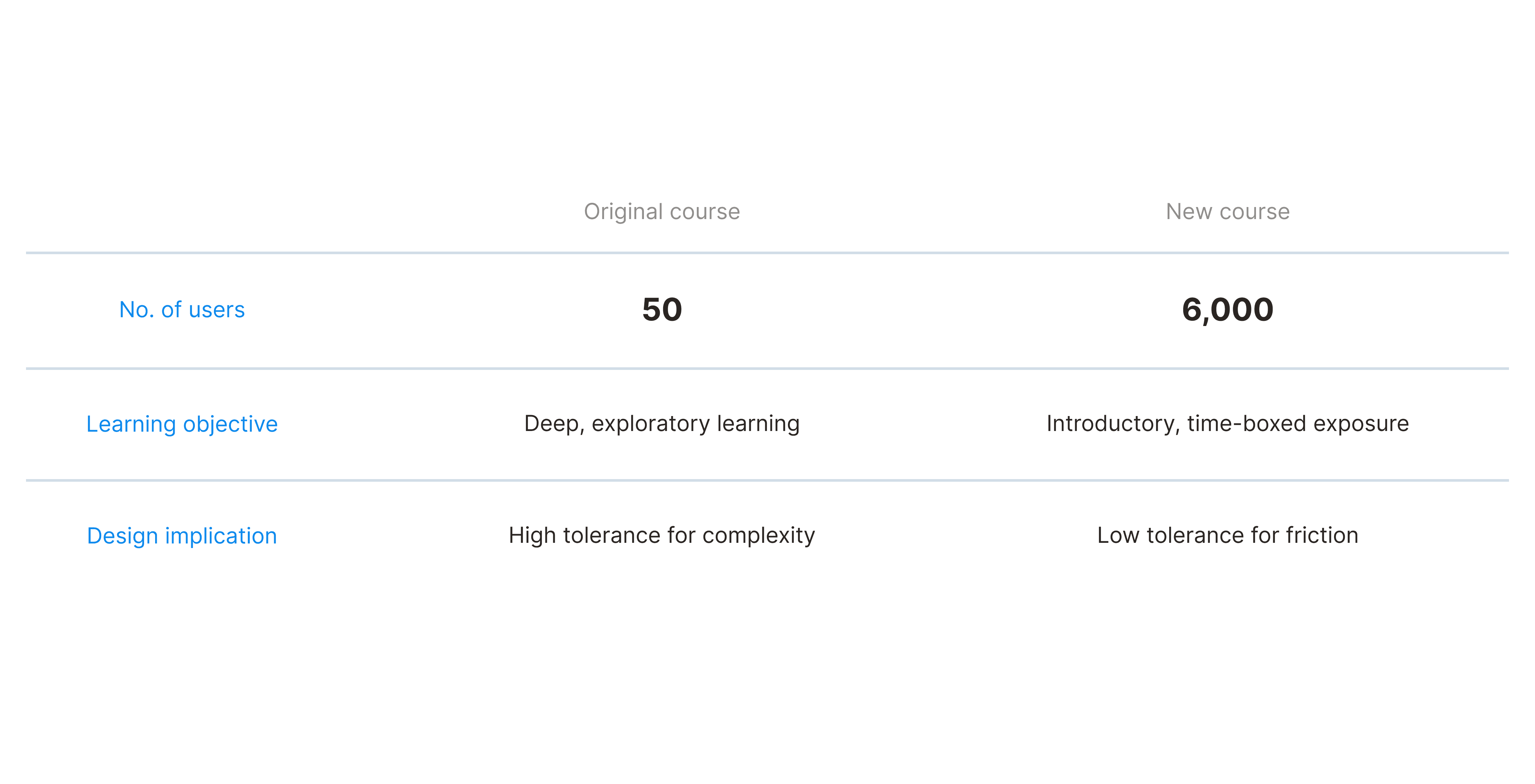
Scaling the platform from 50 to 6,000 undergraduates
3D Maze had been part of a specialised course since 2015. In 2023, the university chose to use it in a general education course to address low engagement and poor student feedback.
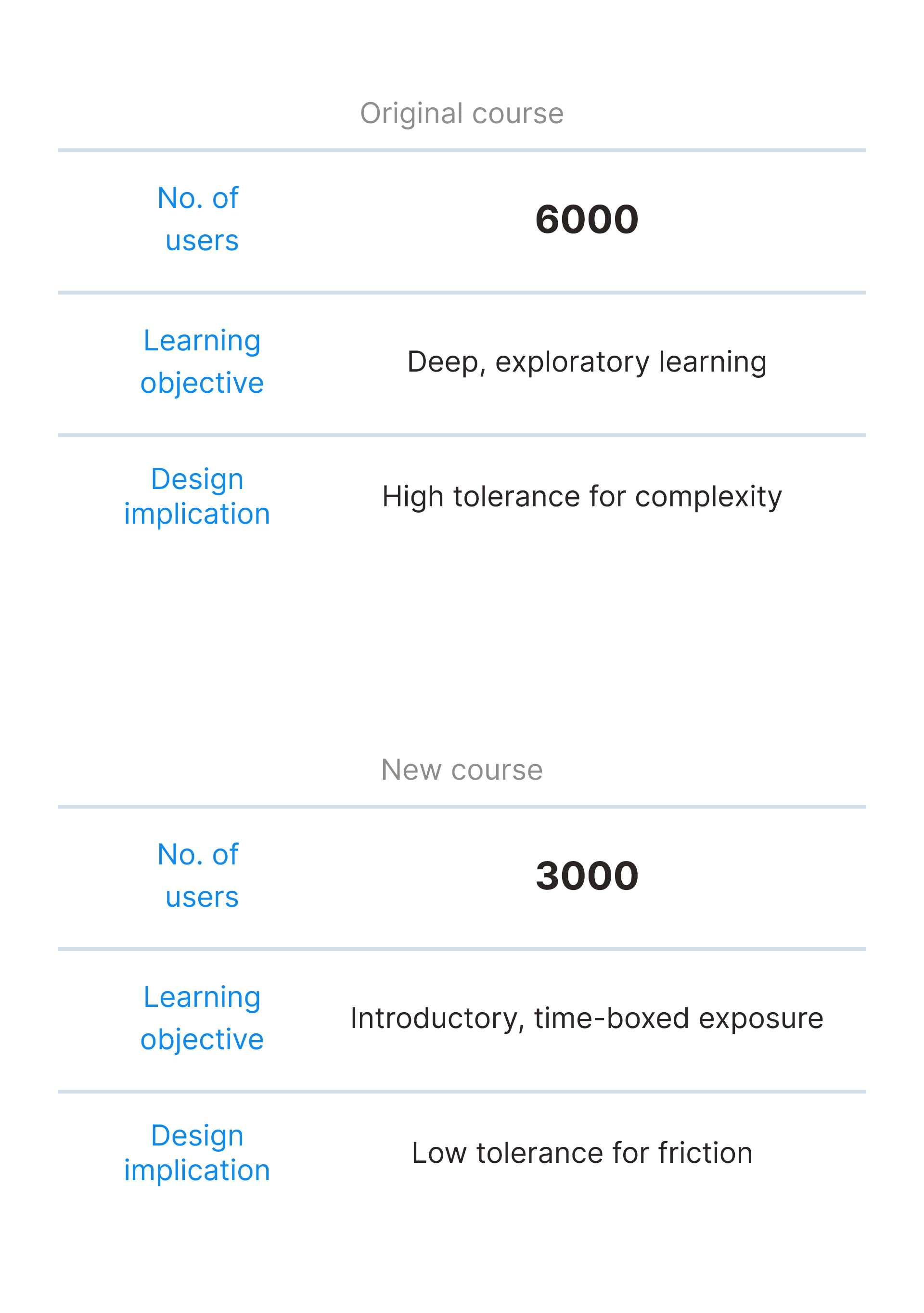
Scaling the platform from 50 to 6,000 undergraduates
3D Maze had been part of a specialised course since 2015. In 2023, the university chose to use it in a general education course to address low engagement and poor student feedback.
Scaling the platform from 50 to 6,000 undergraduates
3D Maze had been part of a specialised course since 2015. In 2023, the university chose to use it in a general education course to address low engagement and poor student feedback.
Scaling the platform from 50 to 6,000 undergraduates
3D Maze had been part of a specialised course since 2015. In 2023, the university chose to use it in a general education course to address low engagement and poor student feedback.
Scaling the platform from 50 to 6,000 undergraduates
3D Maze had been part of a specialised course since 2015. In 2023, the university chose to use it in a general education course to address low engagement and poor student feedback.
Course structure and student demographics
Course structure and student demographics
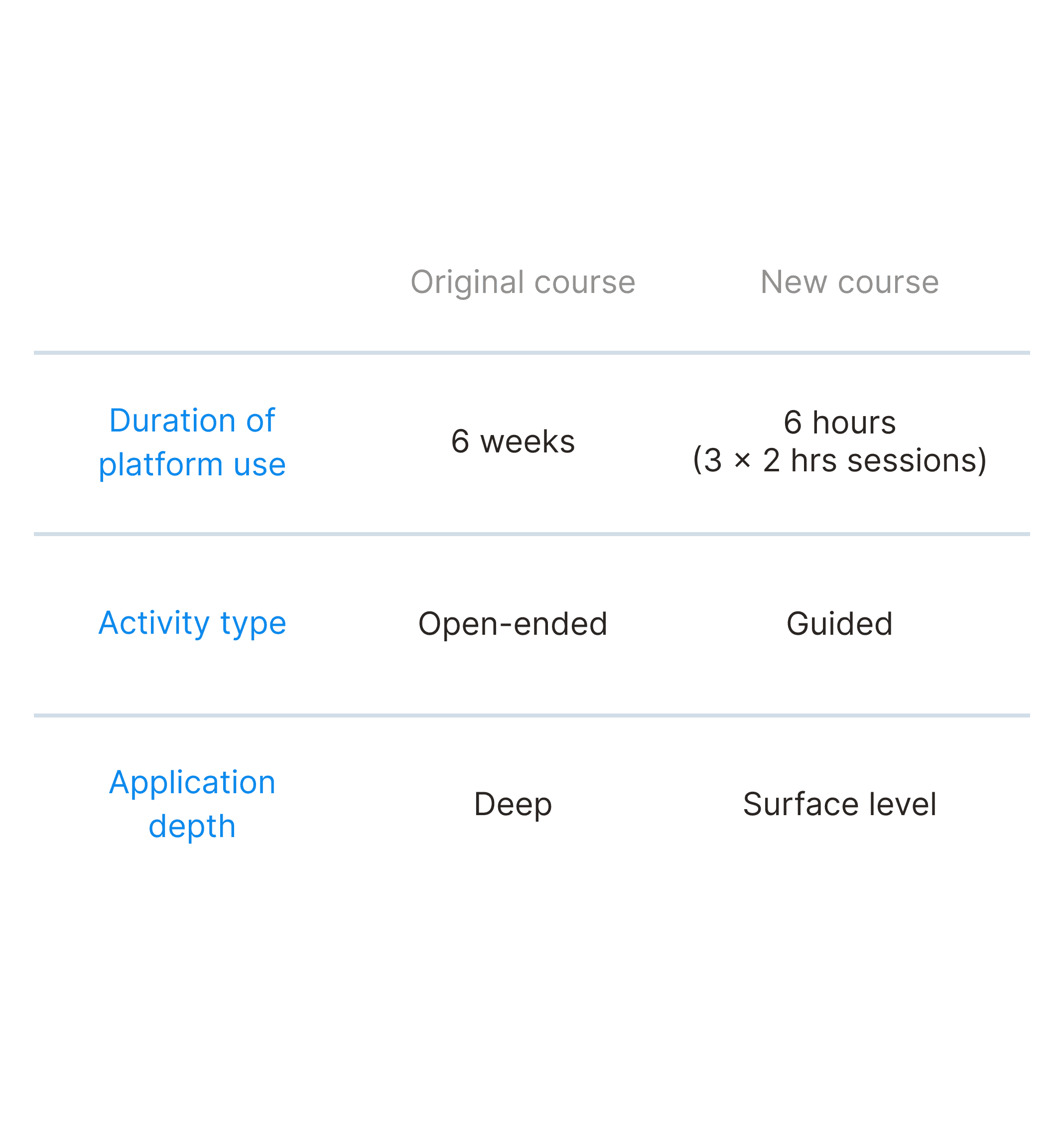
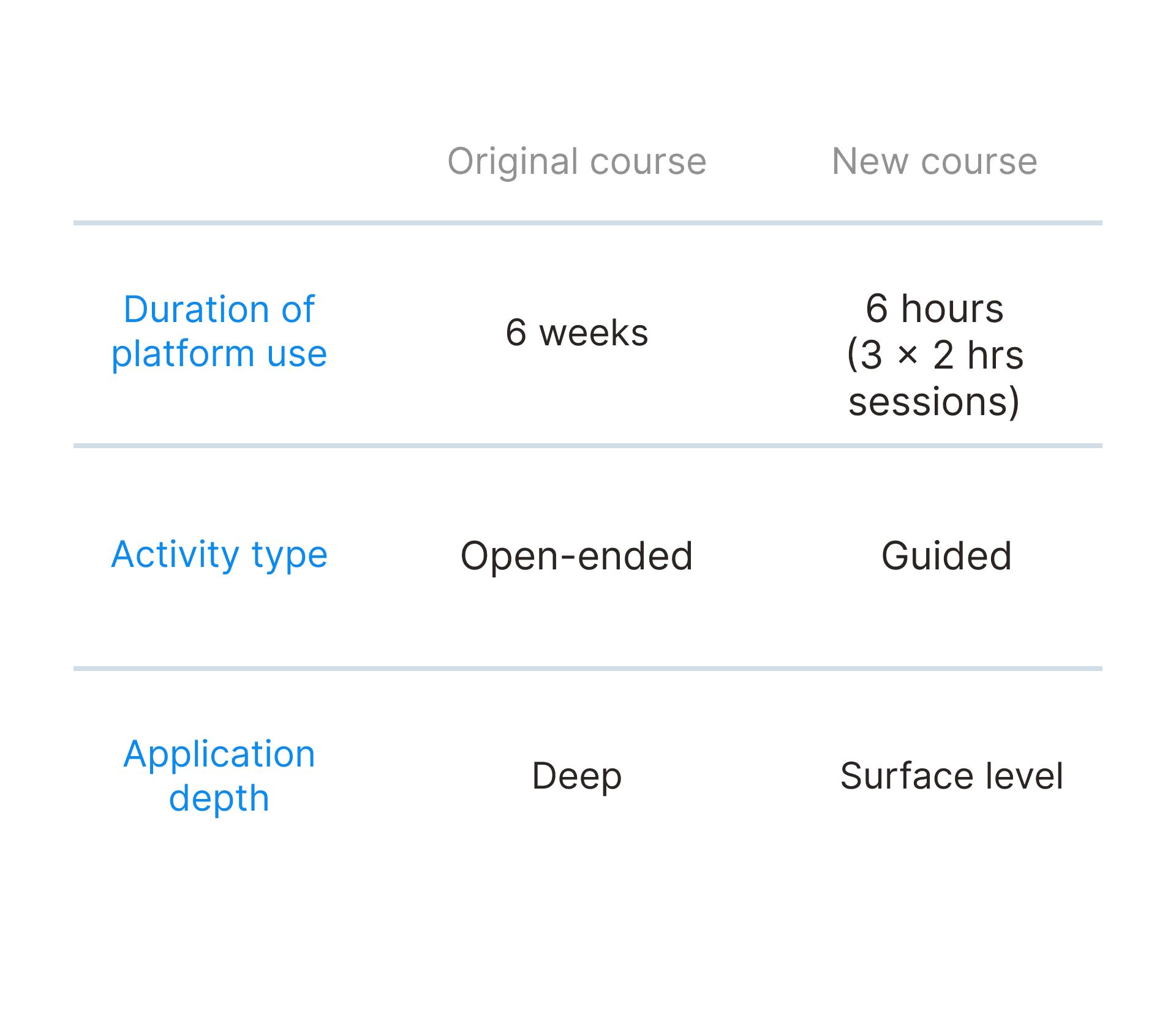
Limited time for platform adoption
Given the limited exposure to 3D Maze, students were unlikely to invest effort in learning the tool, requiring the experience to feel approachable from the outset.
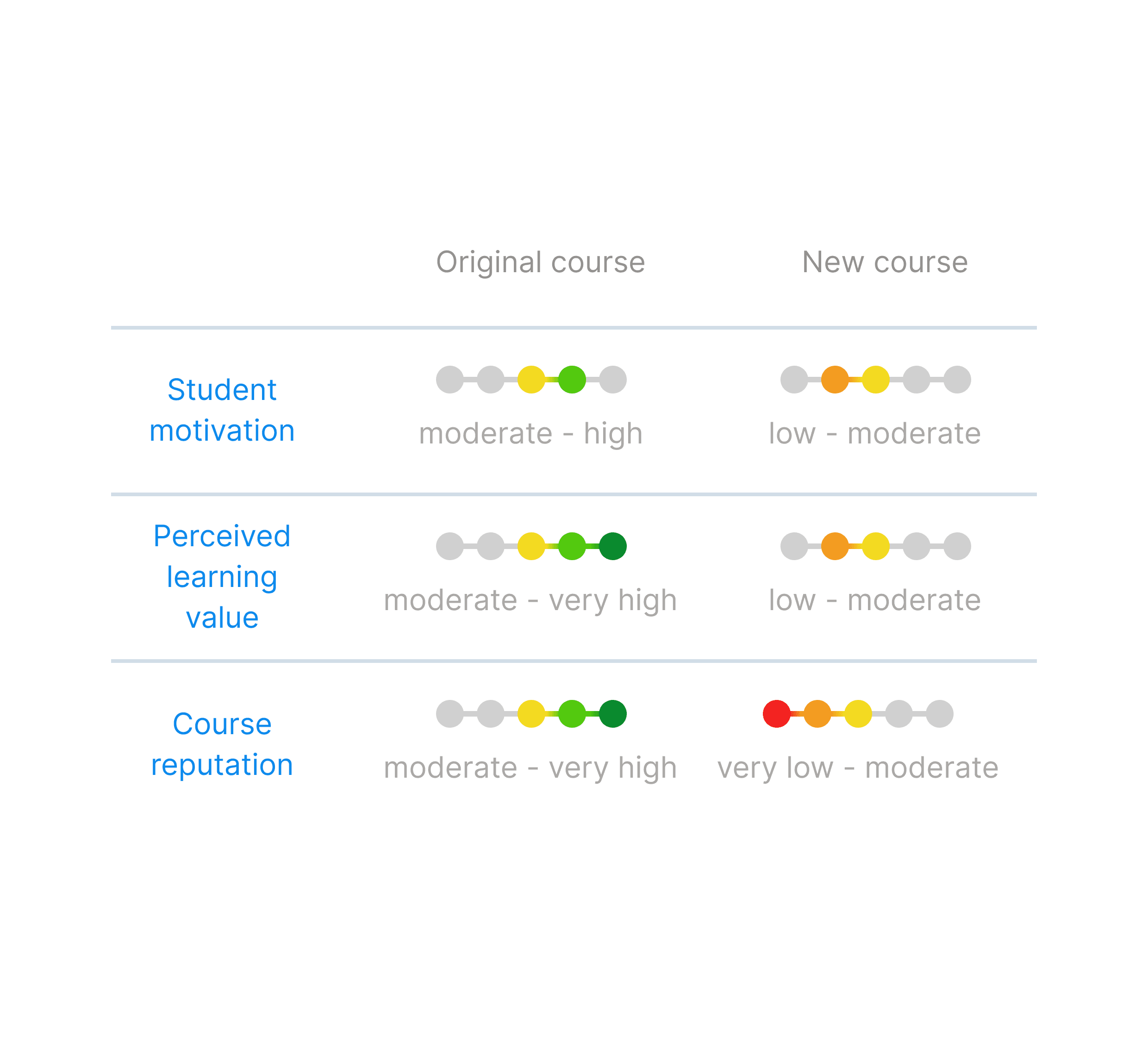
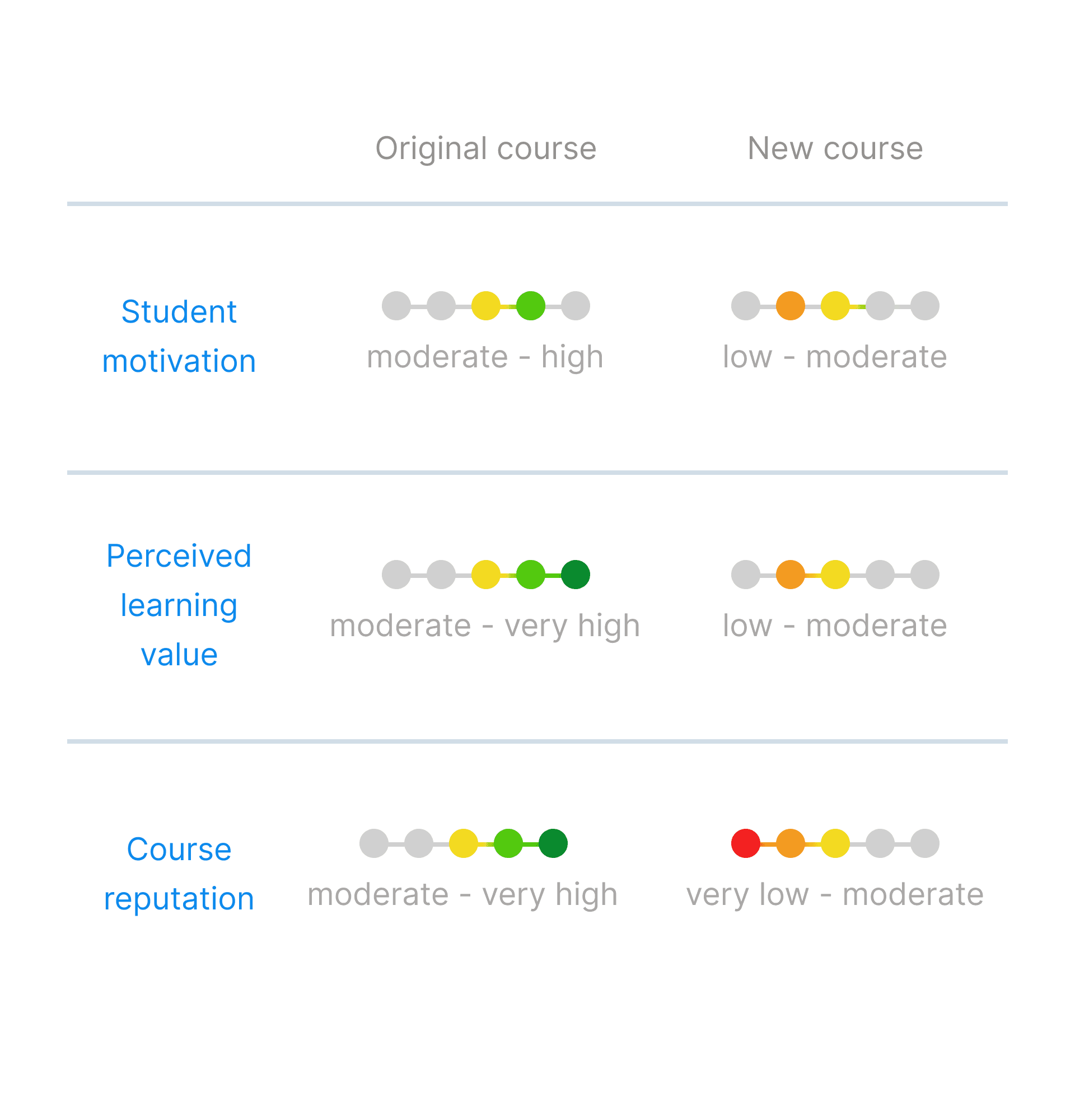
First-time users with limited patience
The platform was introduced to a largely unfamiliar and unmotivated audience. This meant clarity and ease of use were critical for platform adoption.
Limited time for platform adoption
Given the limited exposure to 3D Maze, students were unlikely to invest effort in learning the tool, requiring the experience to feel approachable from the outset.
Limited time for platform adoption
Given the limited exposure to 3D Maze, students were unlikely to invest effort in learning the tool, requiring the experience to feel approachable from the outset.
Limited time for platform adoption
Given the limited exposure to 3D Maze, students were unlikely to invest effort in learning the tool, requiring the experience to feel approachable from the outset.
First-time users with limited patience
The platform was introduced to a largely unfamiliar and unmotivated audience. This meant clarity and ease of use were critical for platform adoption.
Core usability fixes
Core usability fixes
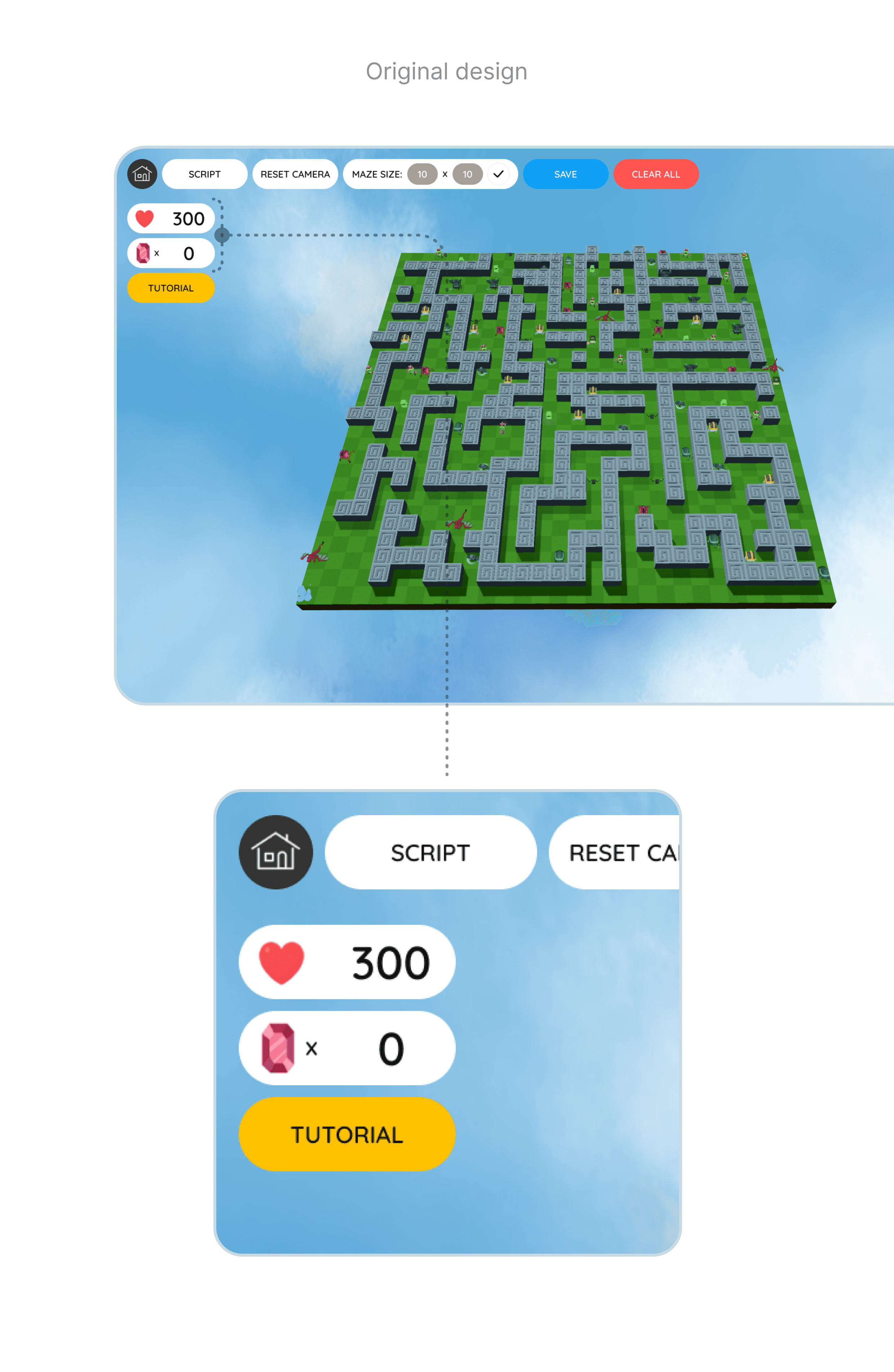
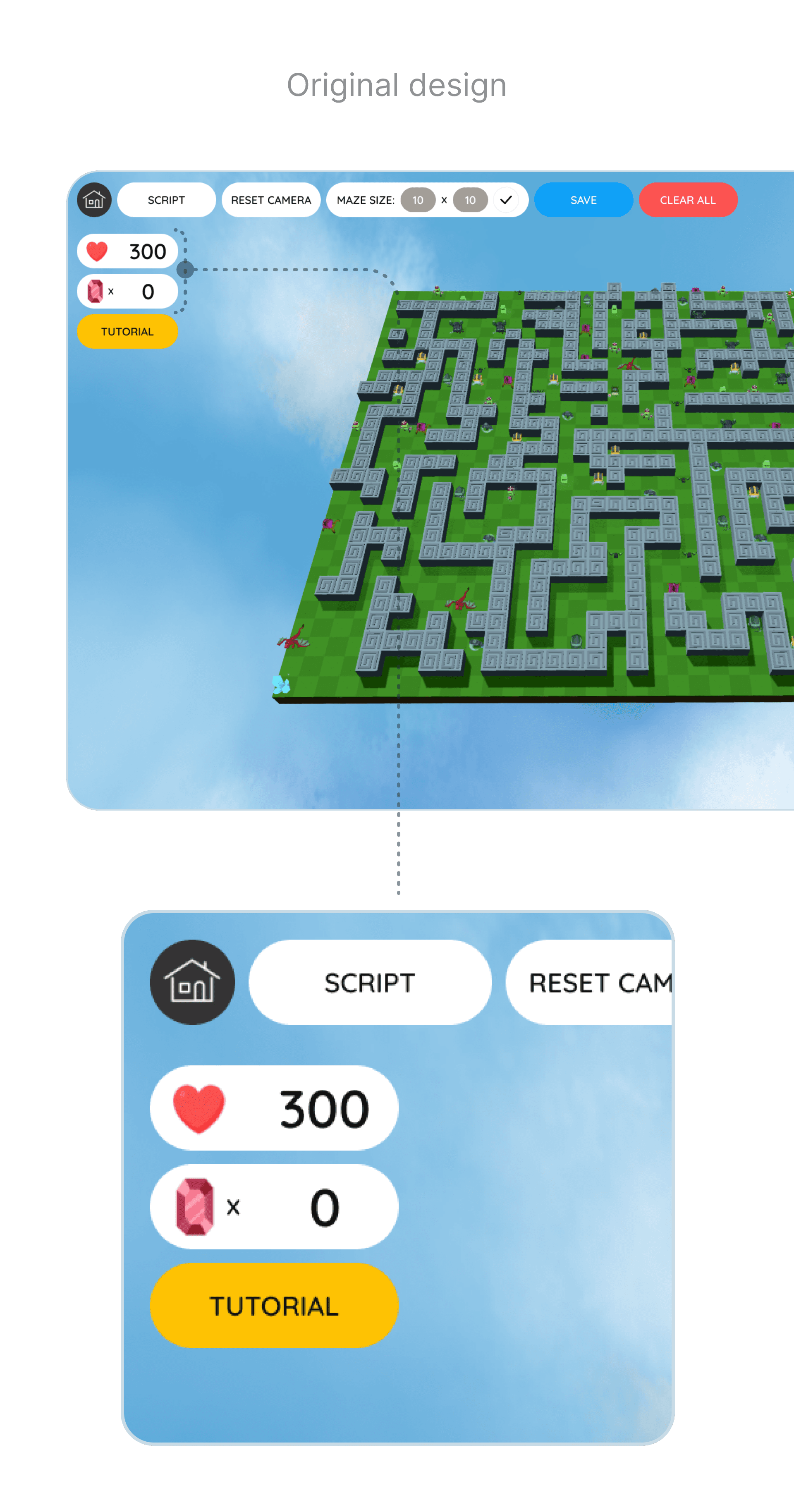
Reducing cognitive load at first contact
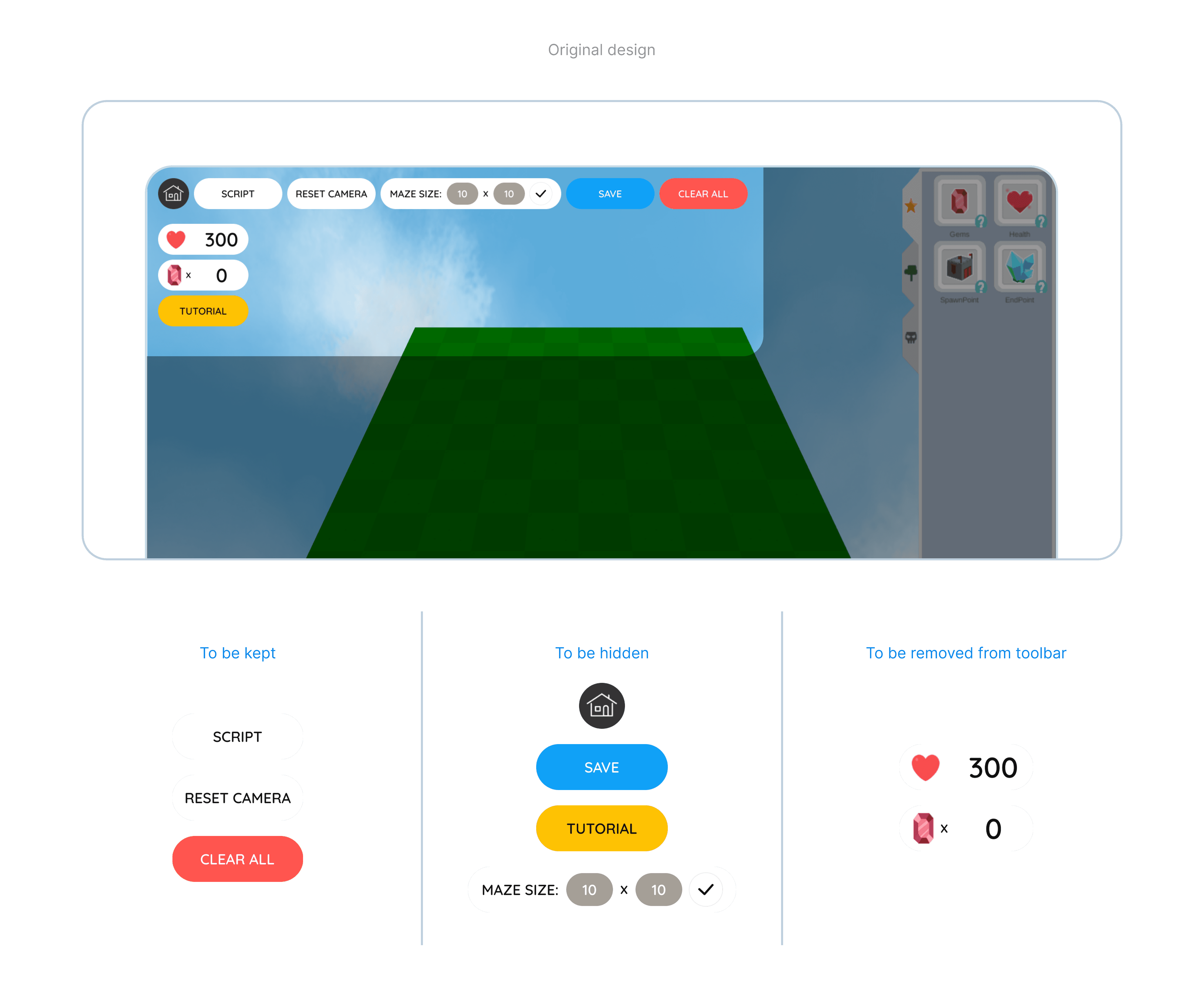
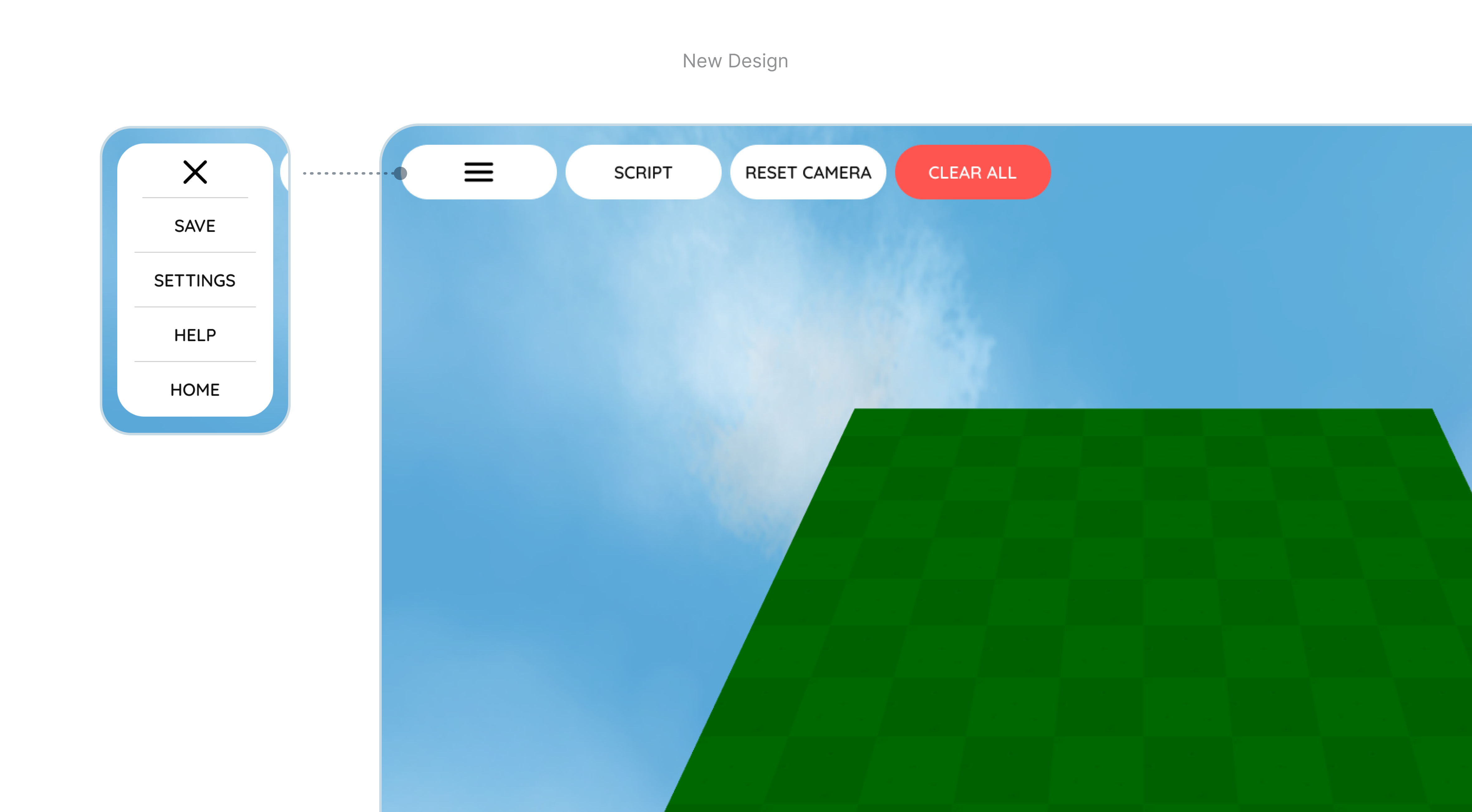
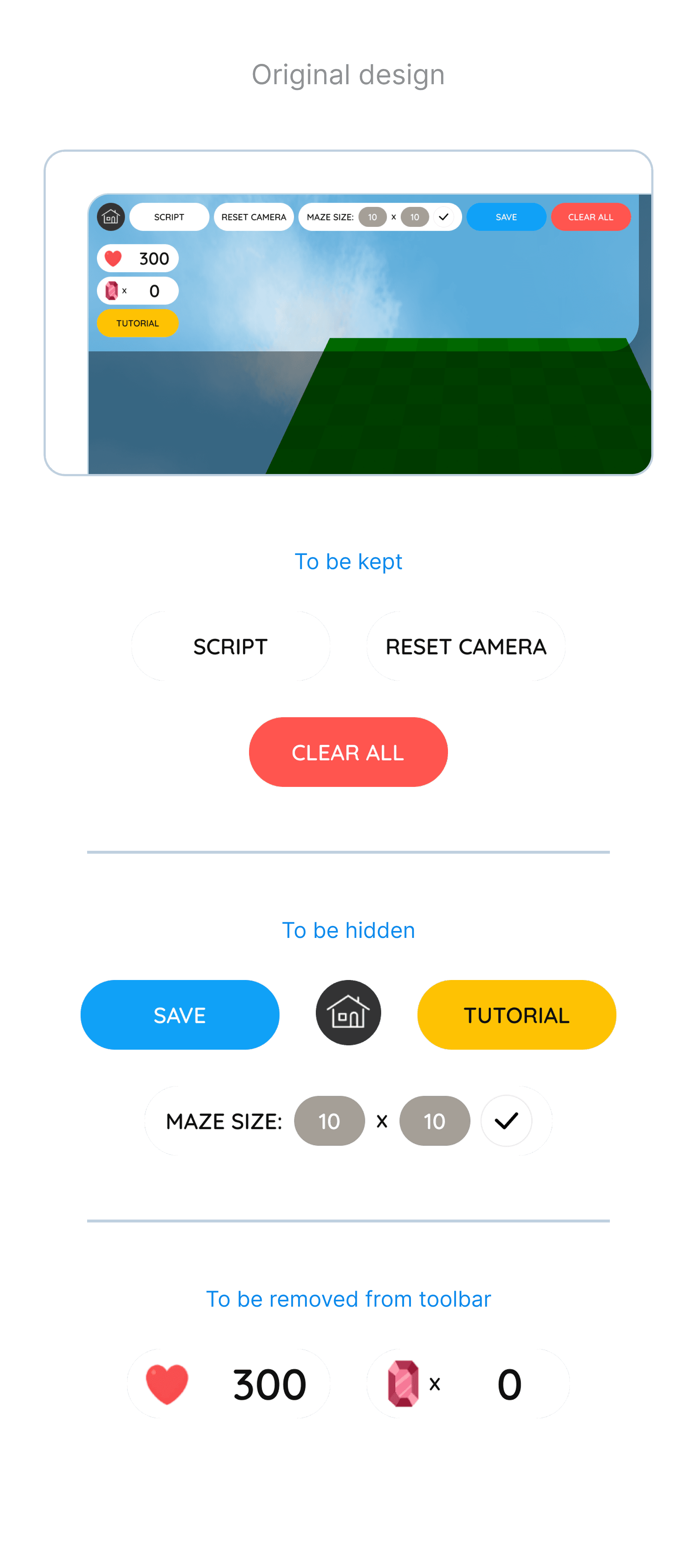
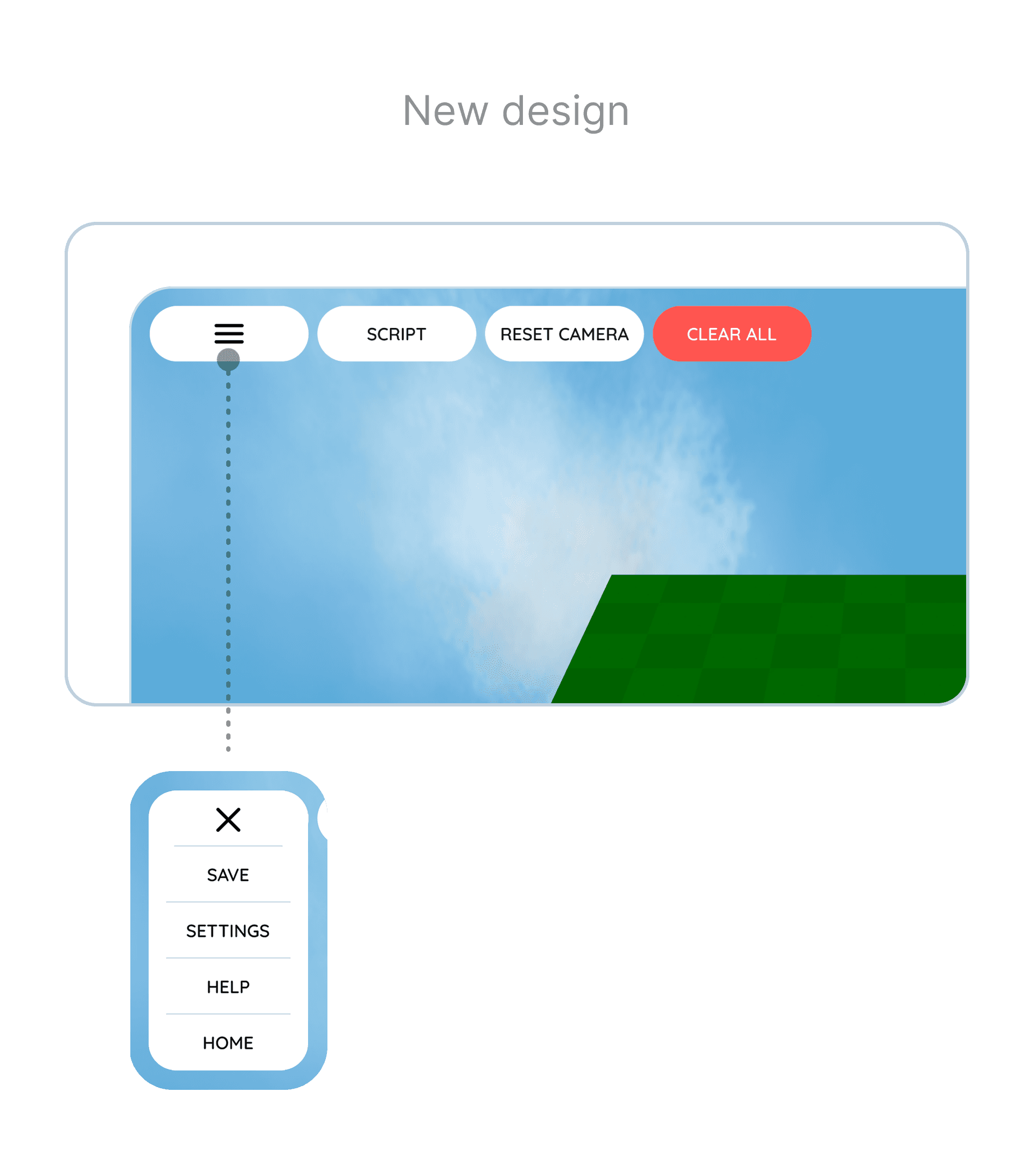
The original toolbar exposed all available controls upfront, overwhelming first-time users. In the new design, core actions were prioritised while secondary ones were progressively disclosed to reduce friction.
Reducing cognitive load at first contact
The original toolbar exposed all available controls upfront, overwhelming first-time users. In the new design, core actions were prioritised while secondary ones were progressively disclosed to reduce friction.
Reducing cognitive load at first contact
The original toolbar exposed all available controls upfront, overwhelming first-time users. In the new design, core actions were prioritised while secondary ones were progressively disclosed to reduce friction.
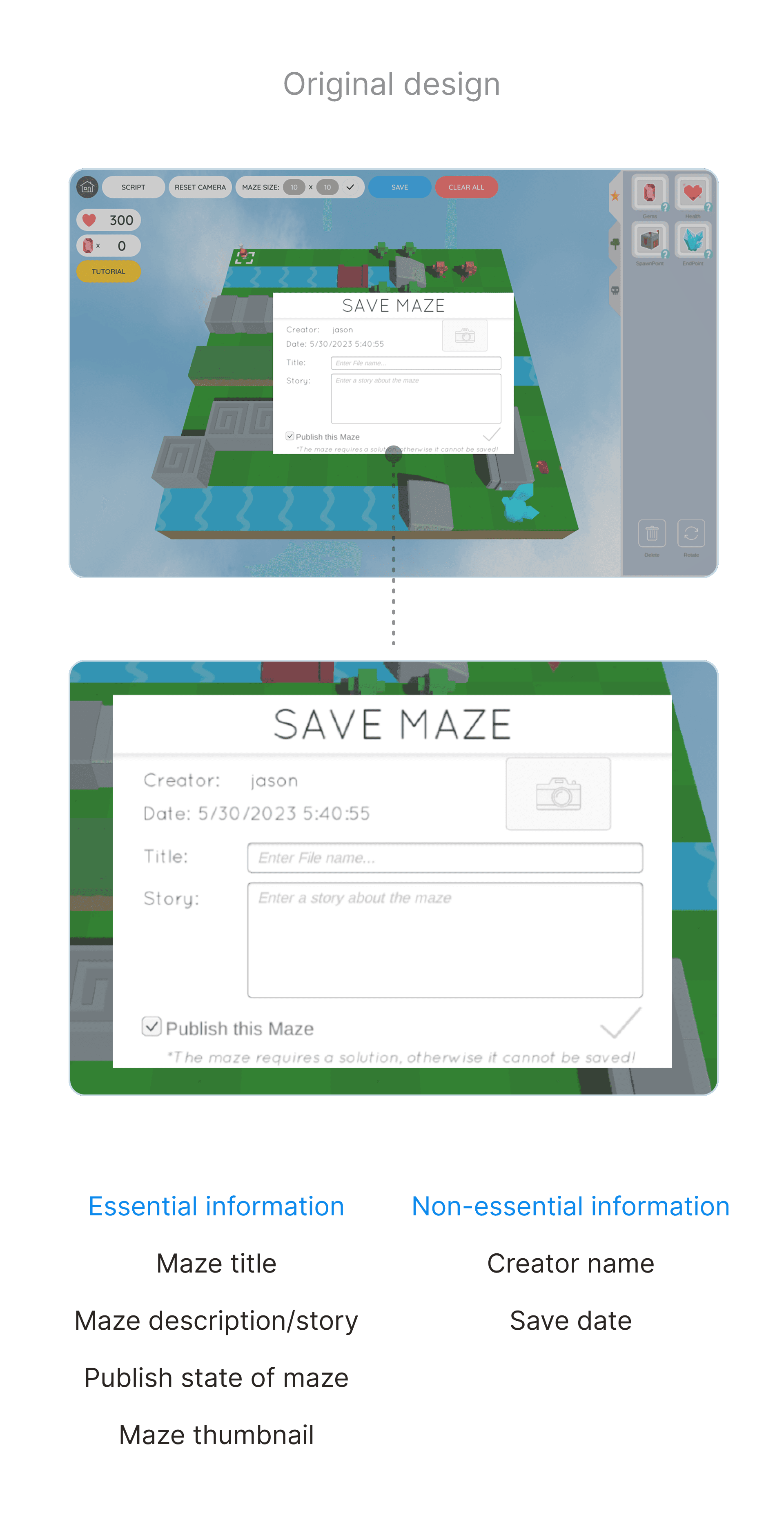
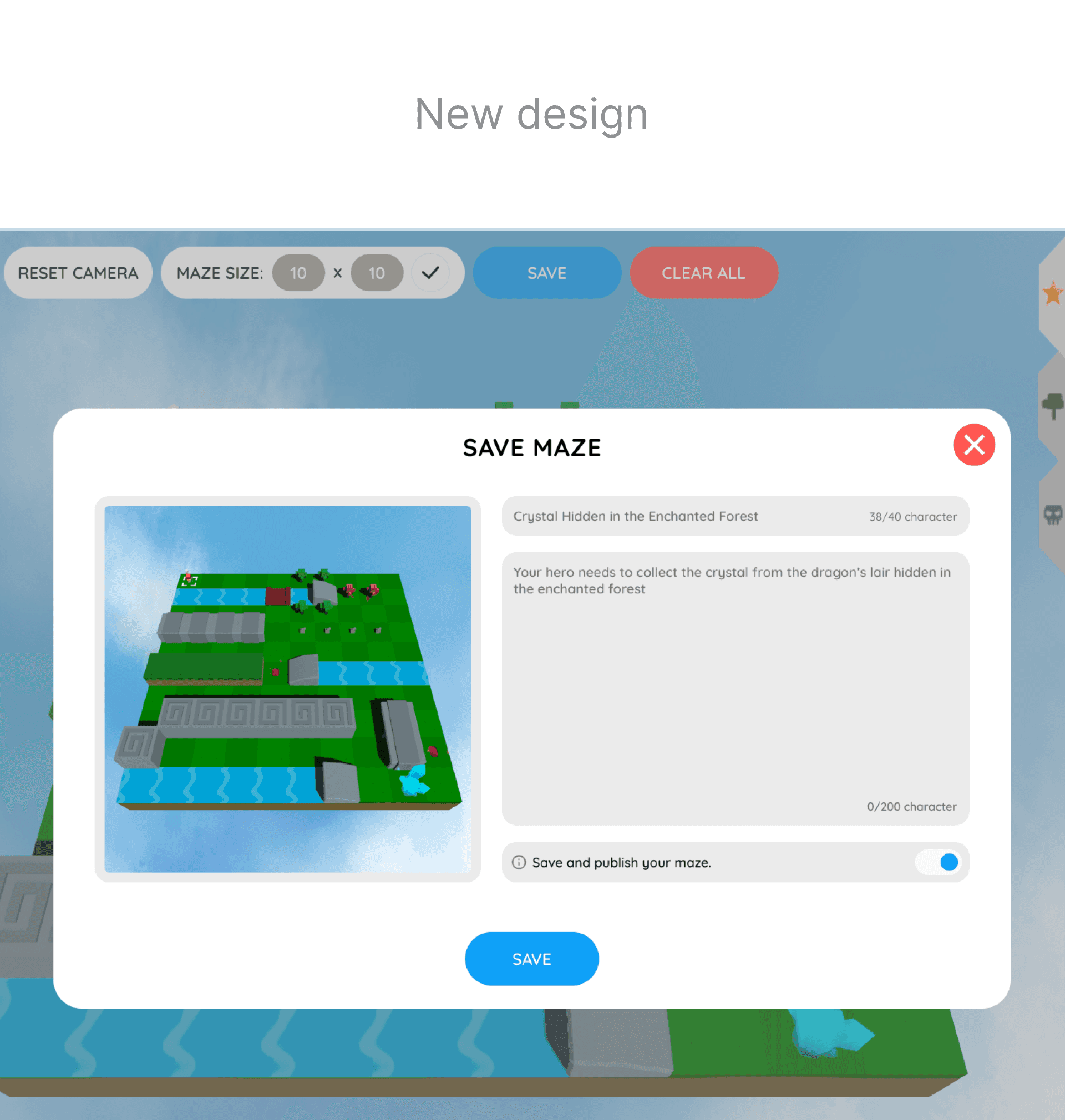
Decreasing friction when saving work
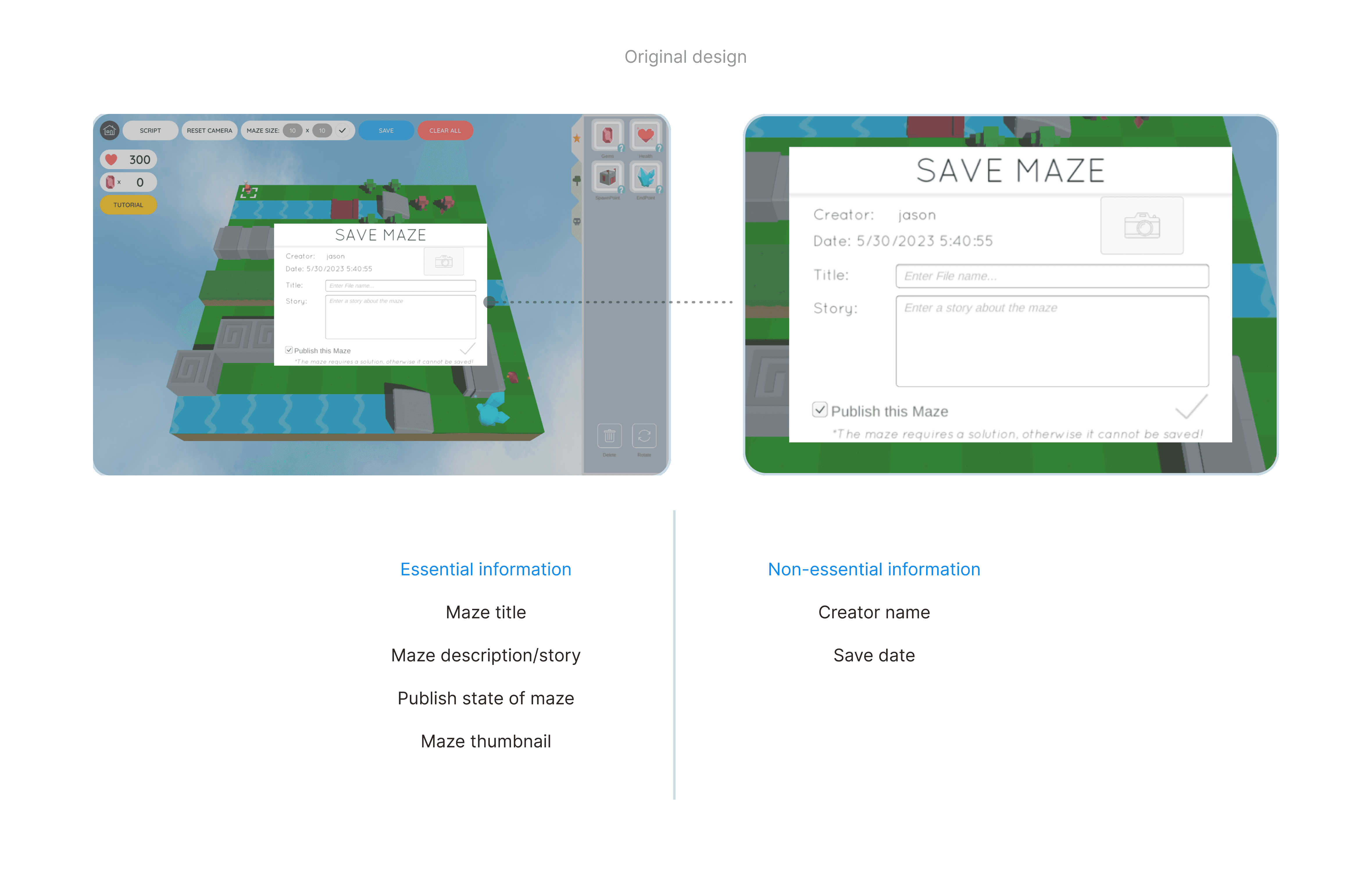
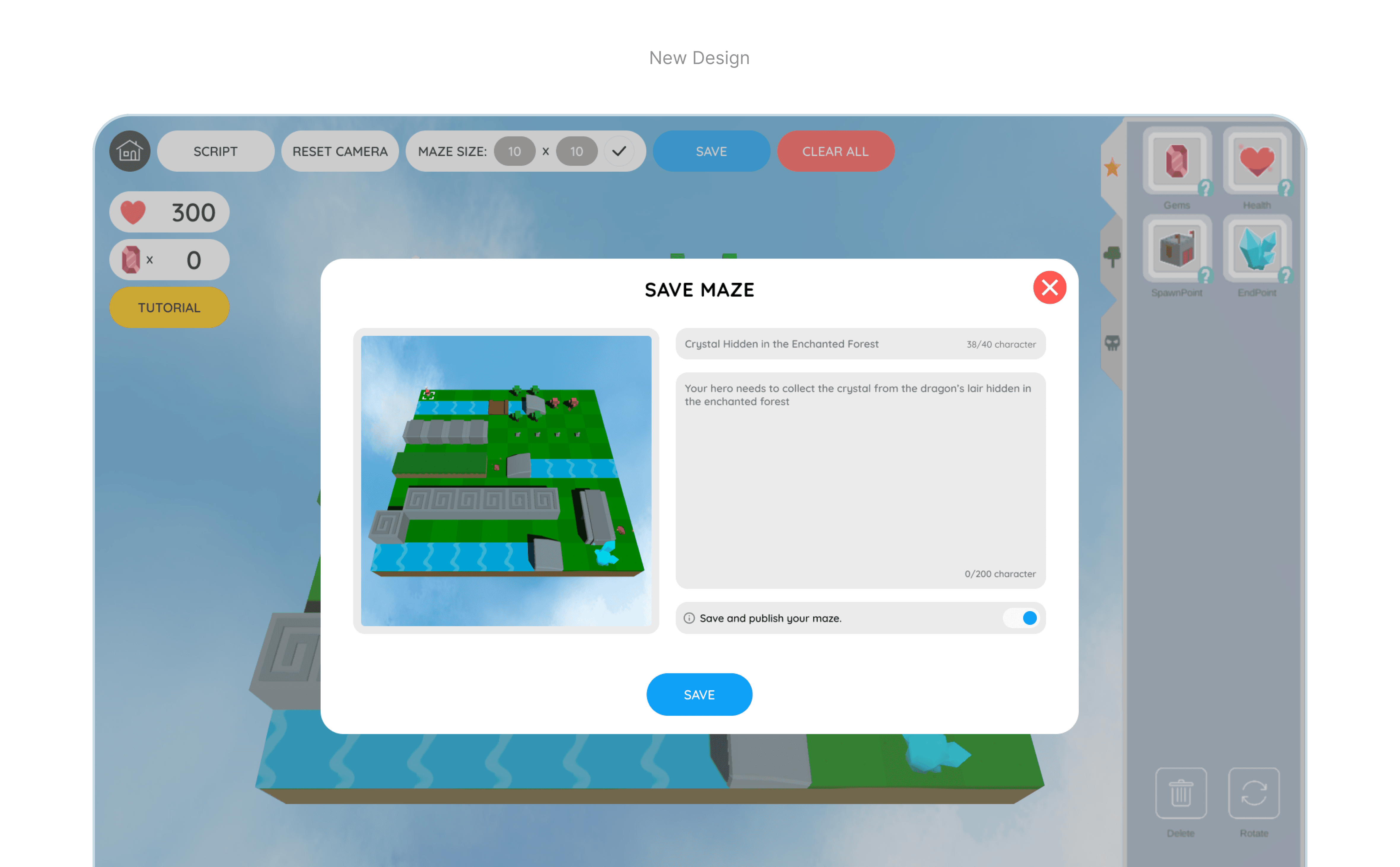
The original Save UI was visually inconsistent and made key inputs and actions easy to miss. The new layout clarified visual hierarchy so students could complete the same steps with less hesitation.
Decreasing friction when saving work
The original Save UI was visually inconsistent and made key inputs and actions easy to miss. The new layout clarified visual hierarchy so students could complete the same steps with less hesitation.
Decreasing friction when saving work
The original Save UI was visually inconsistent and made key inputs and actions easy to miss. The new layout clarified visual hierarchy so students could complete the same steps with less hesitation.
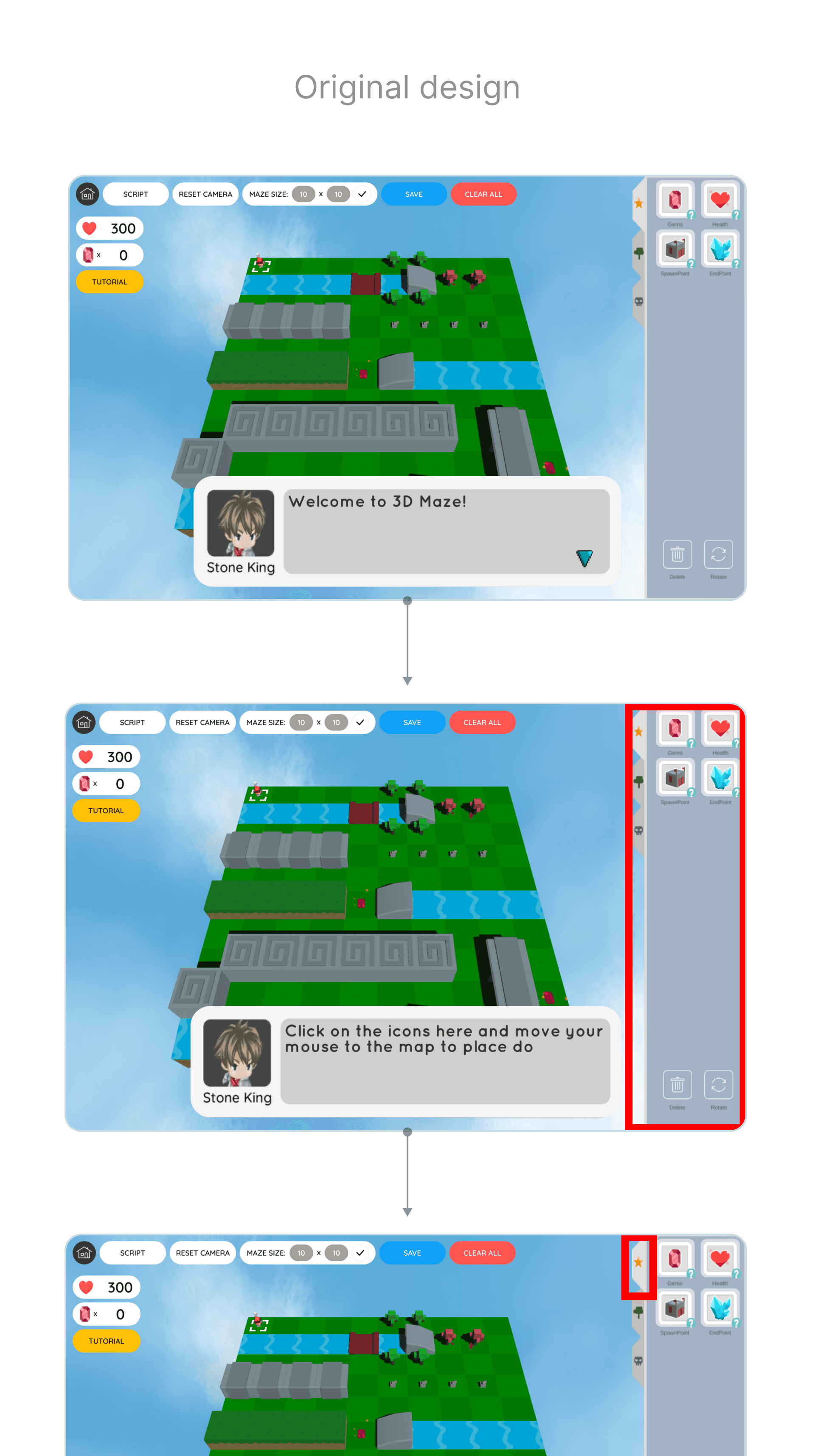
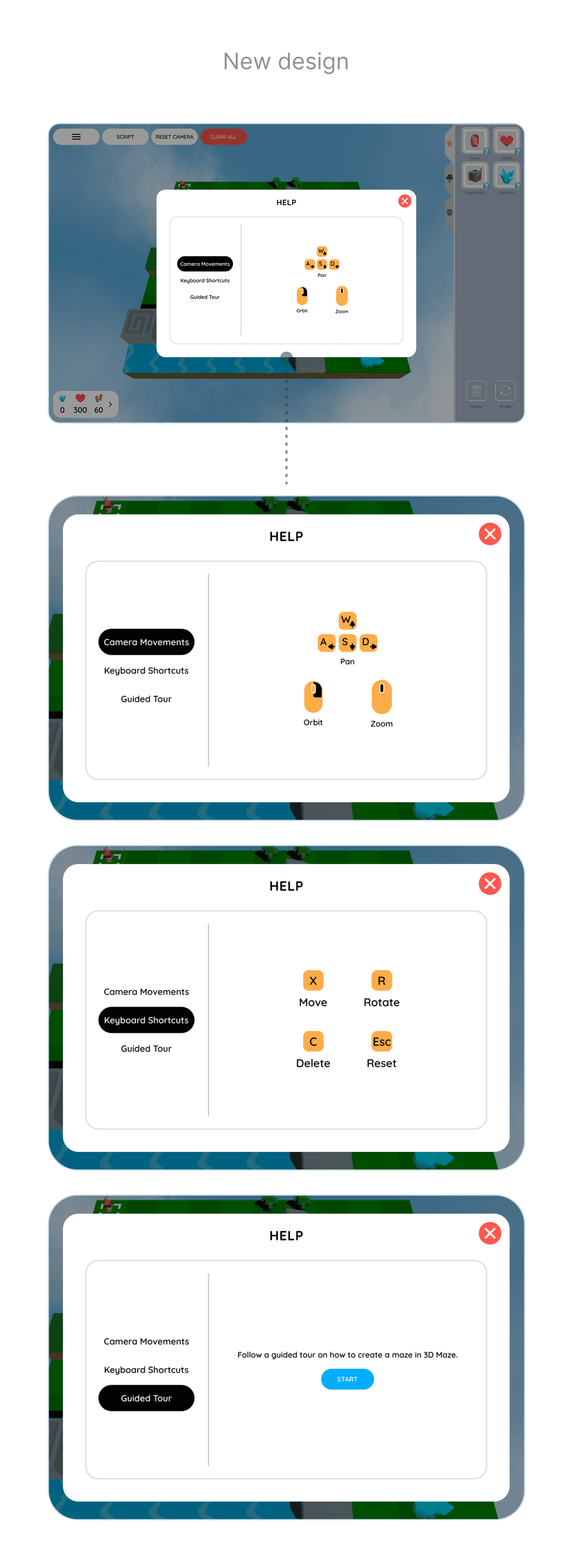
On-demand guidance without interrupting progress
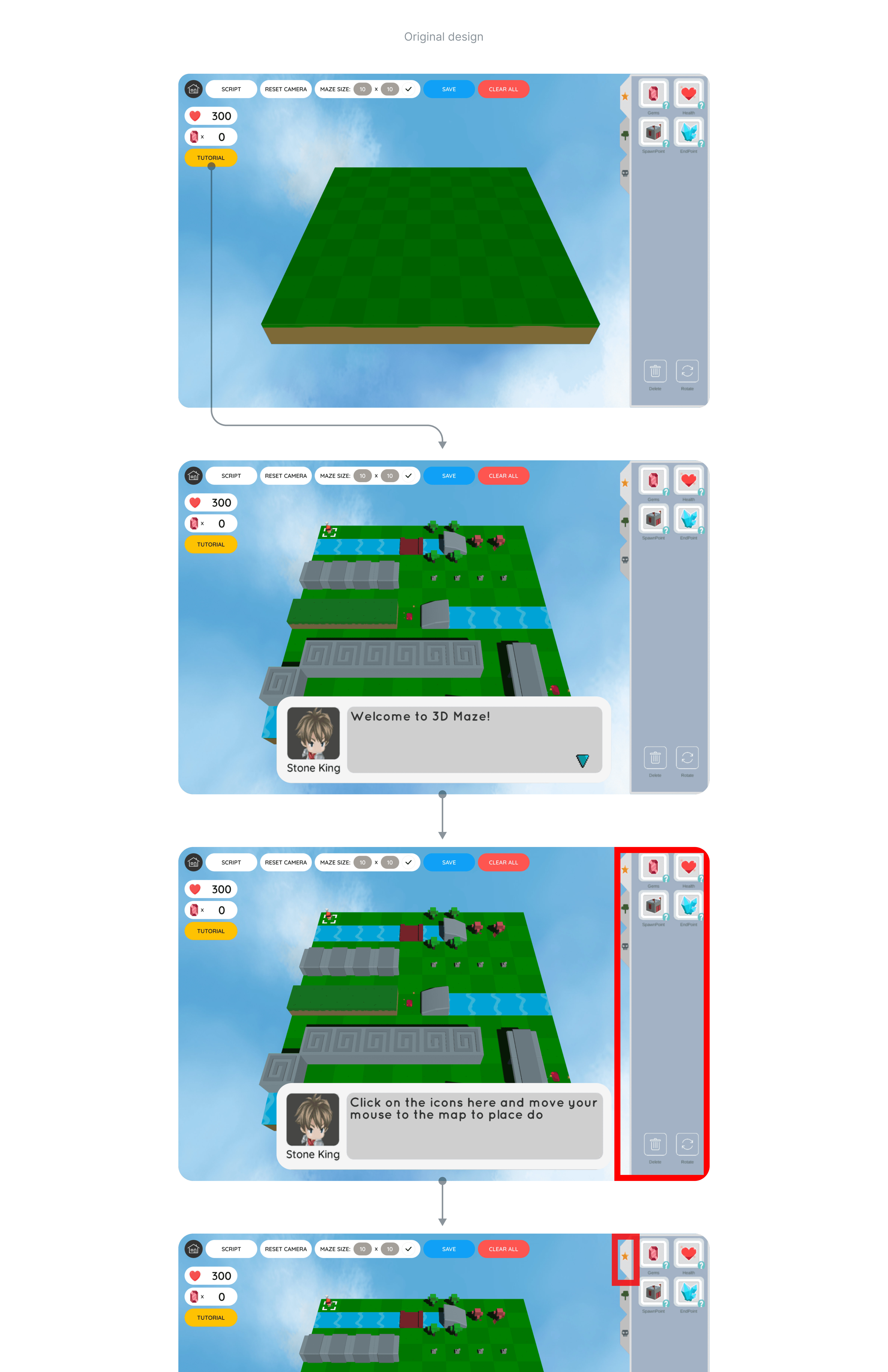
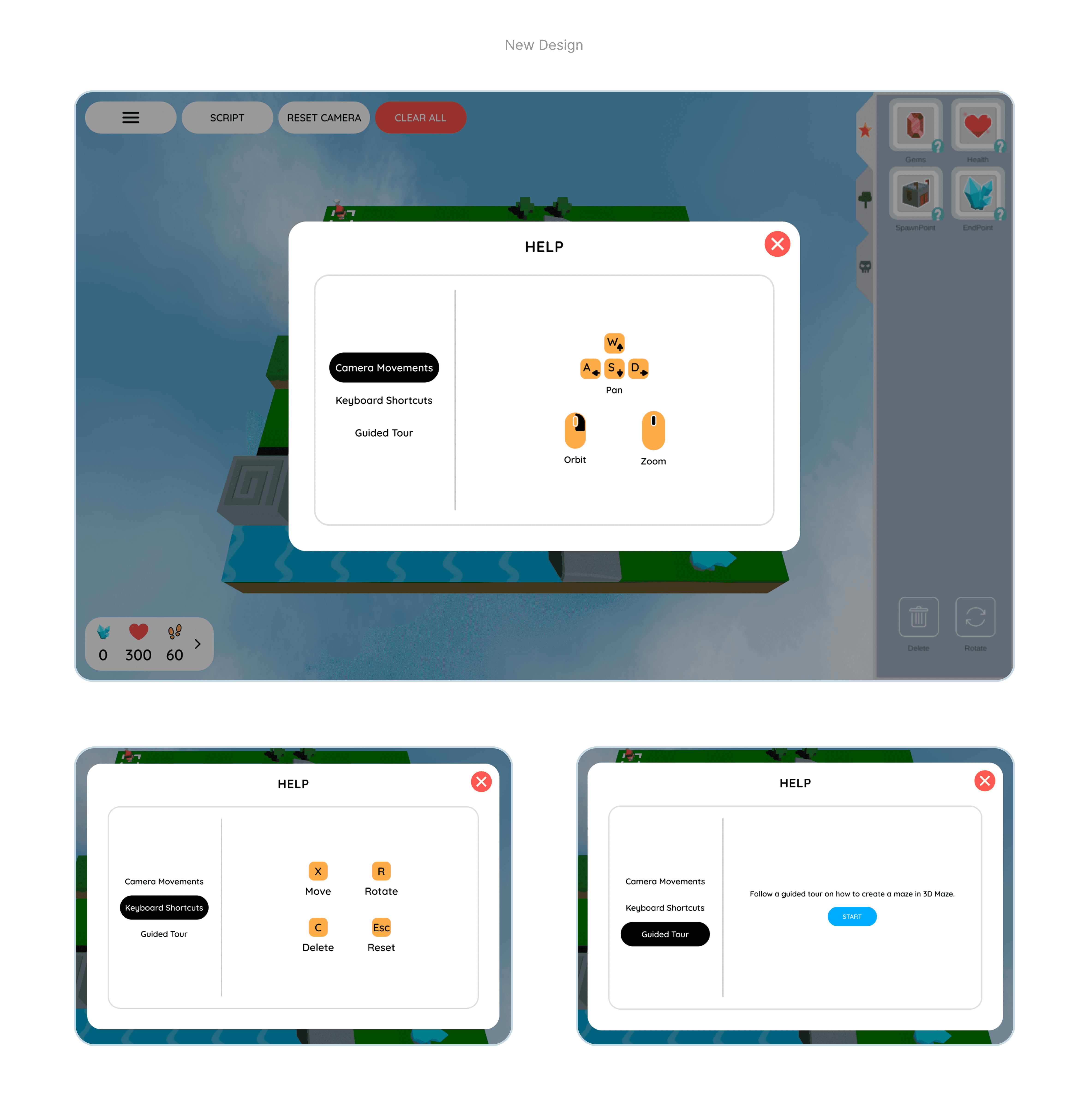
The help experience previously forced students through a scripted tutorial, consuming limited session time. In the new design, this was replaced with on-demand tips that supported self-paced exploration.
On-demand guidance without interrupting progress
The help experience previously forced students through a scripted tutorial, consuming limited session time. In the new design, this was replaced with on-demand tips that supported self-paced exploration.
On-demand guidance without interrupting progress
The help experience previously forced students through a scripted tutorial, consuming limited session time. In the new design, this was replaced with on-demand tips that supported self-paced exploration.
On-demand guidance without interrupting progress
The help experience previously forced students through a scripted tutorial, consuming limited session time. In the new design, this was replaced with on-demand tips that supported self-paced exploration.
Improving focus during problem solving
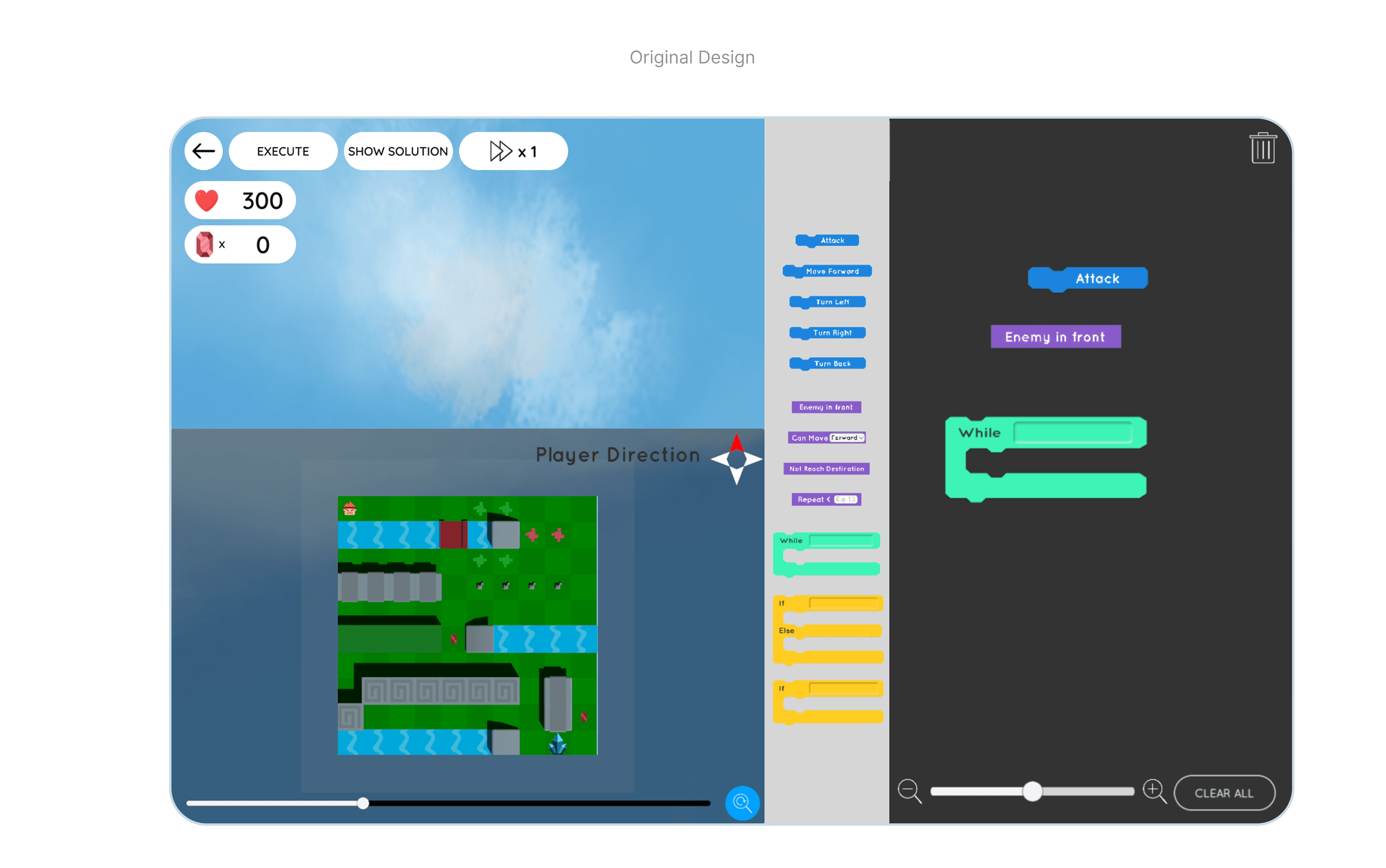
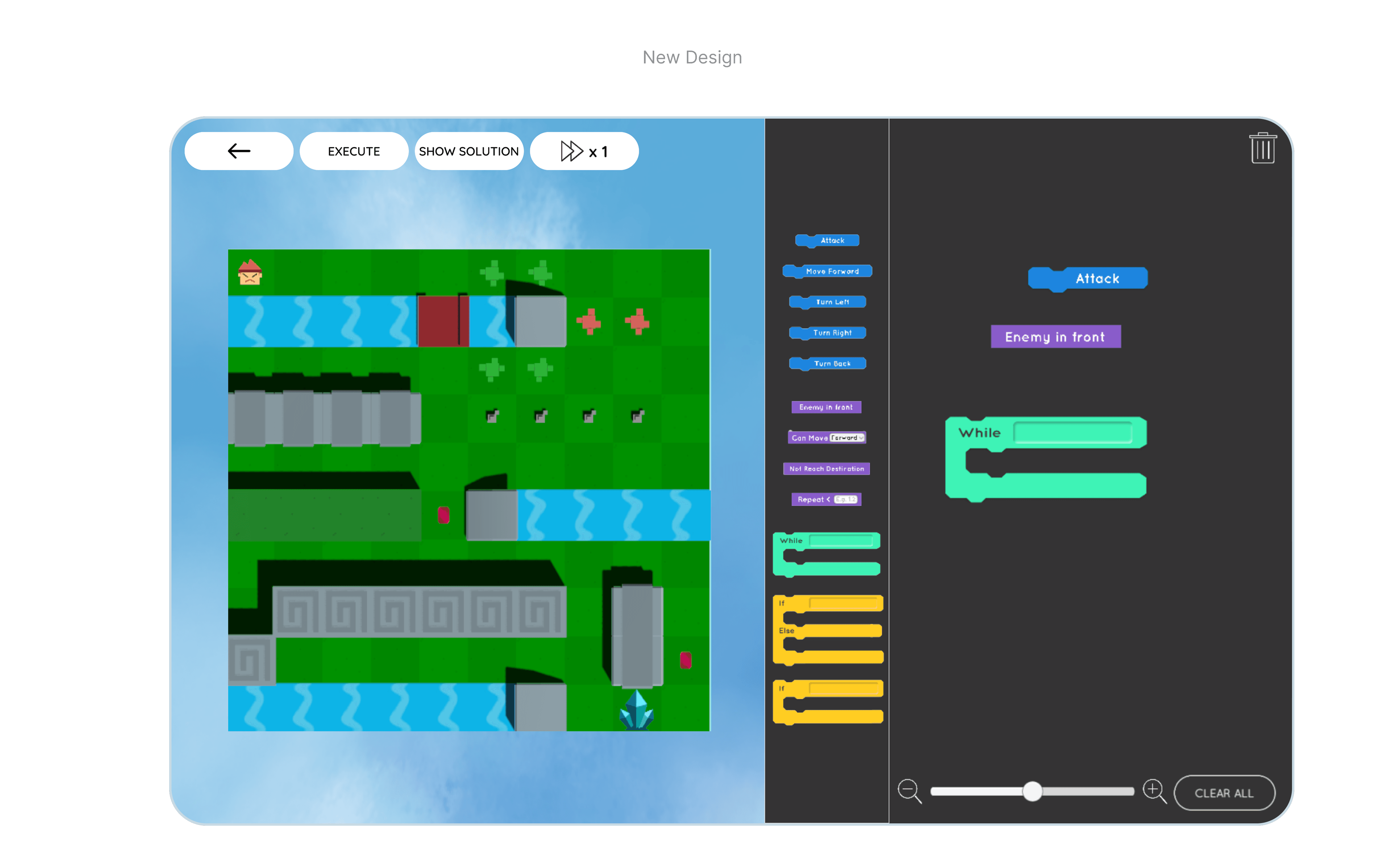
The original layout constrained the maze view to a small window, increasing the chance of misreading the maze. In the redesign, these constraints were removed to provide clarity and reduced visual errors during problem solving.
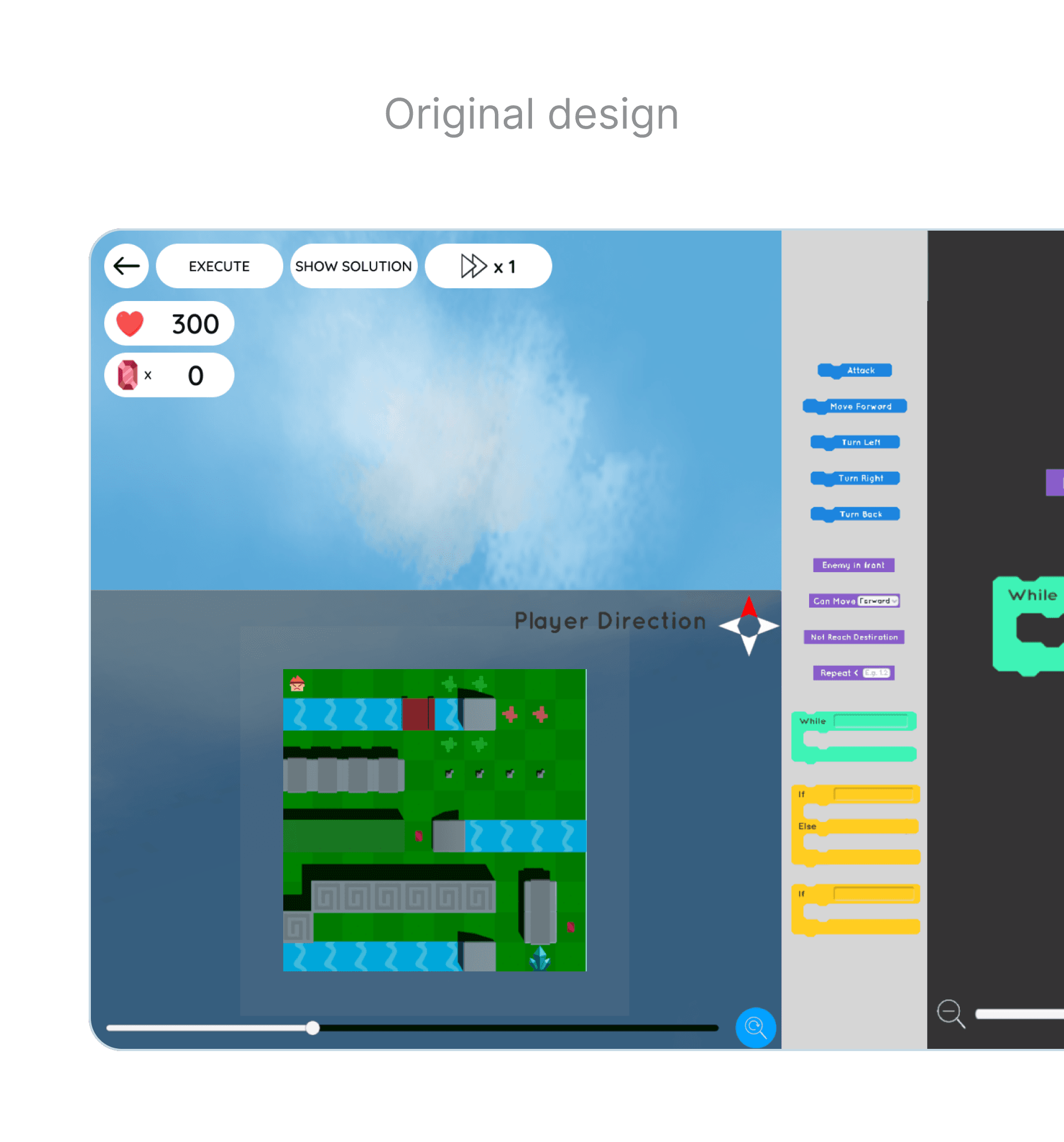
Improving focus during problem solving
The original layout constrained the maze view to a small window, increasing the chance of misreading the maze. In the redesign, these constraints were removed to provide clarity and reduced visual errors during problem solving.
Improving focus during problem solving
The original layout constrained the maze view to a small window, increasing the chance of misreading the maze. In the redesign, these constraints were removed to provide clarity and reduced visual errors during problem solving.
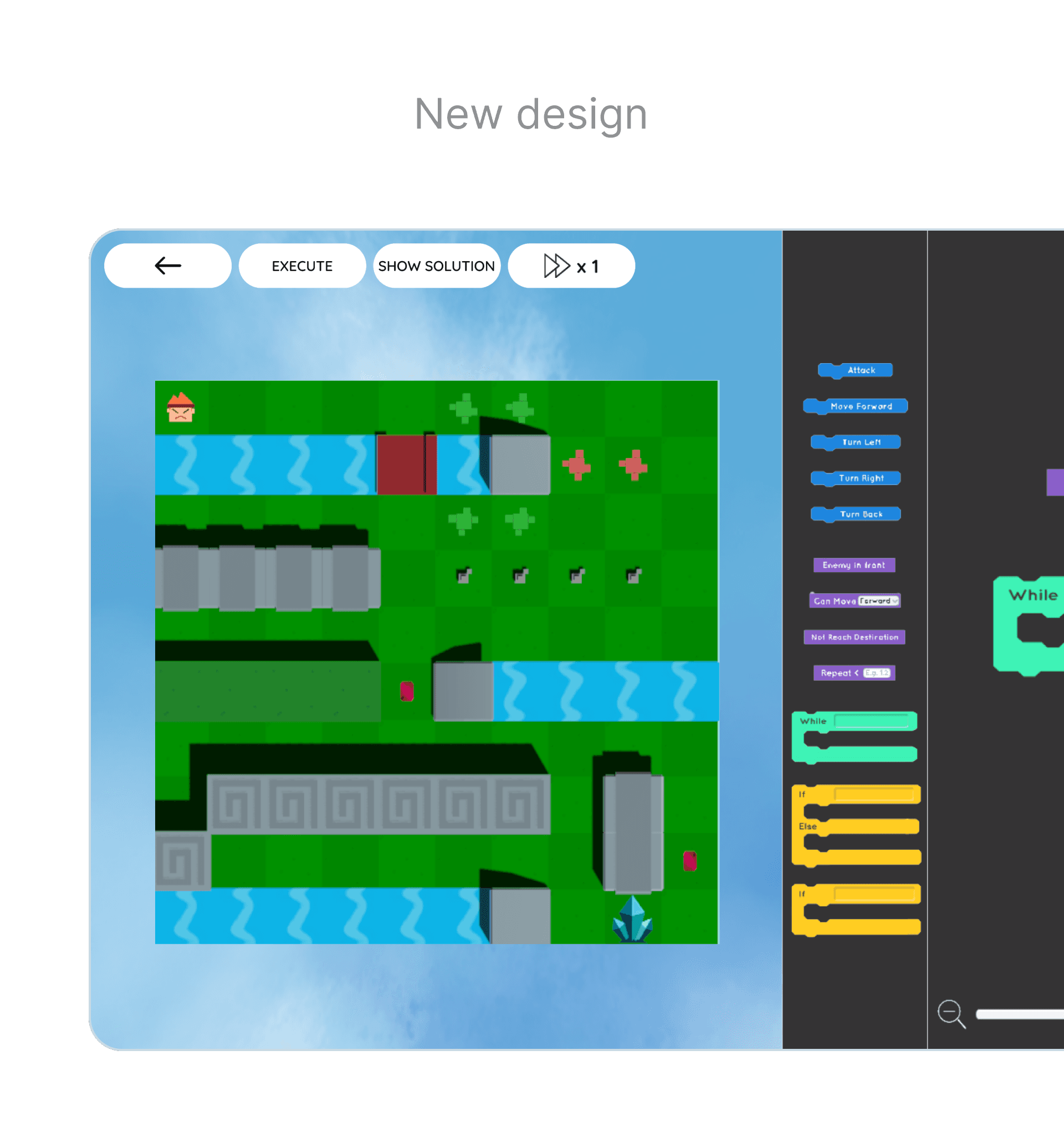
Improving focus during problem solving
The original layout constrained the maze view to a small window, increasing the chance of misreading the maze. In the redesign, these constraints were removed to provide clarity and reduced visual errors during problem solving.
Features for learning engagement
Features for learning engagement
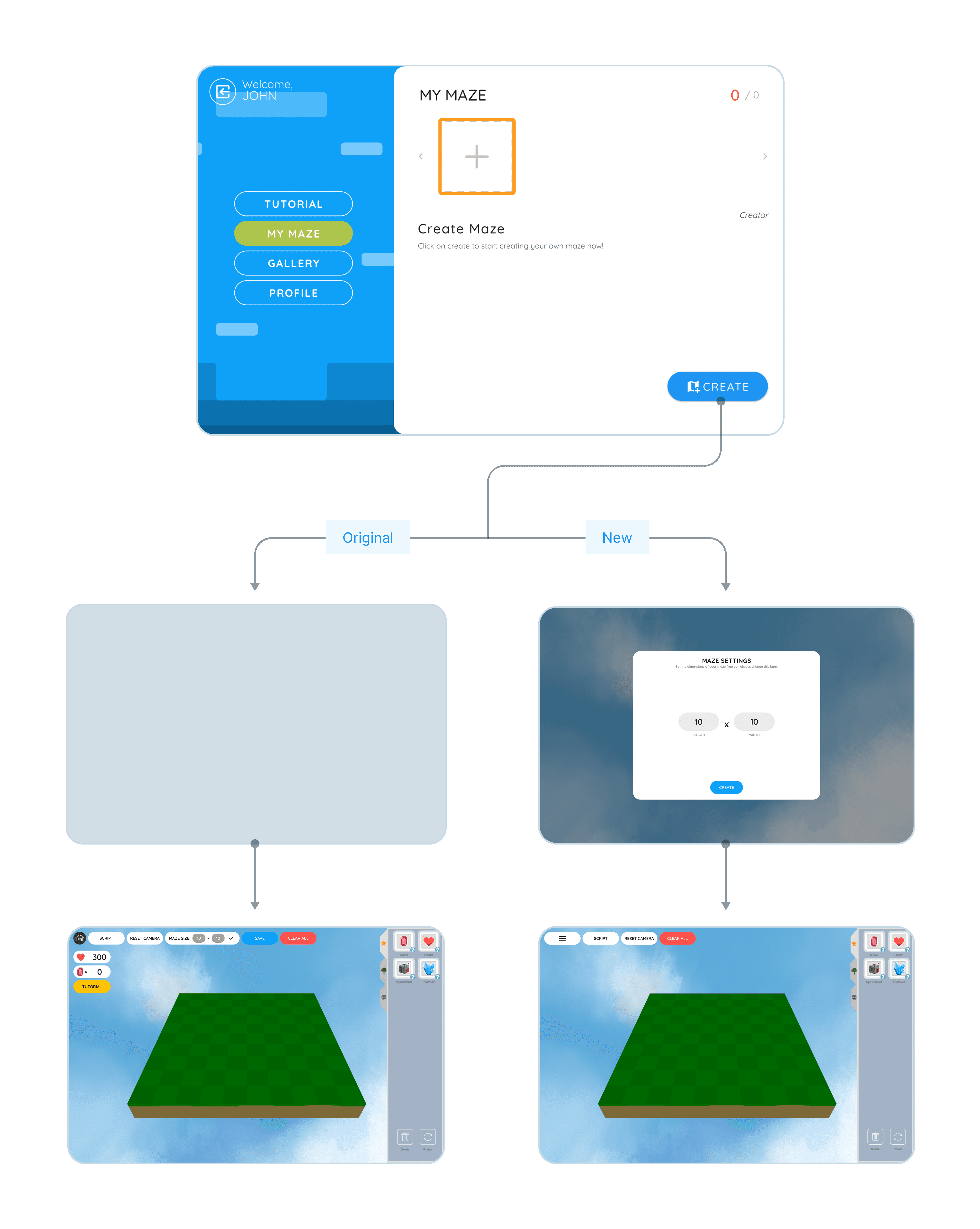
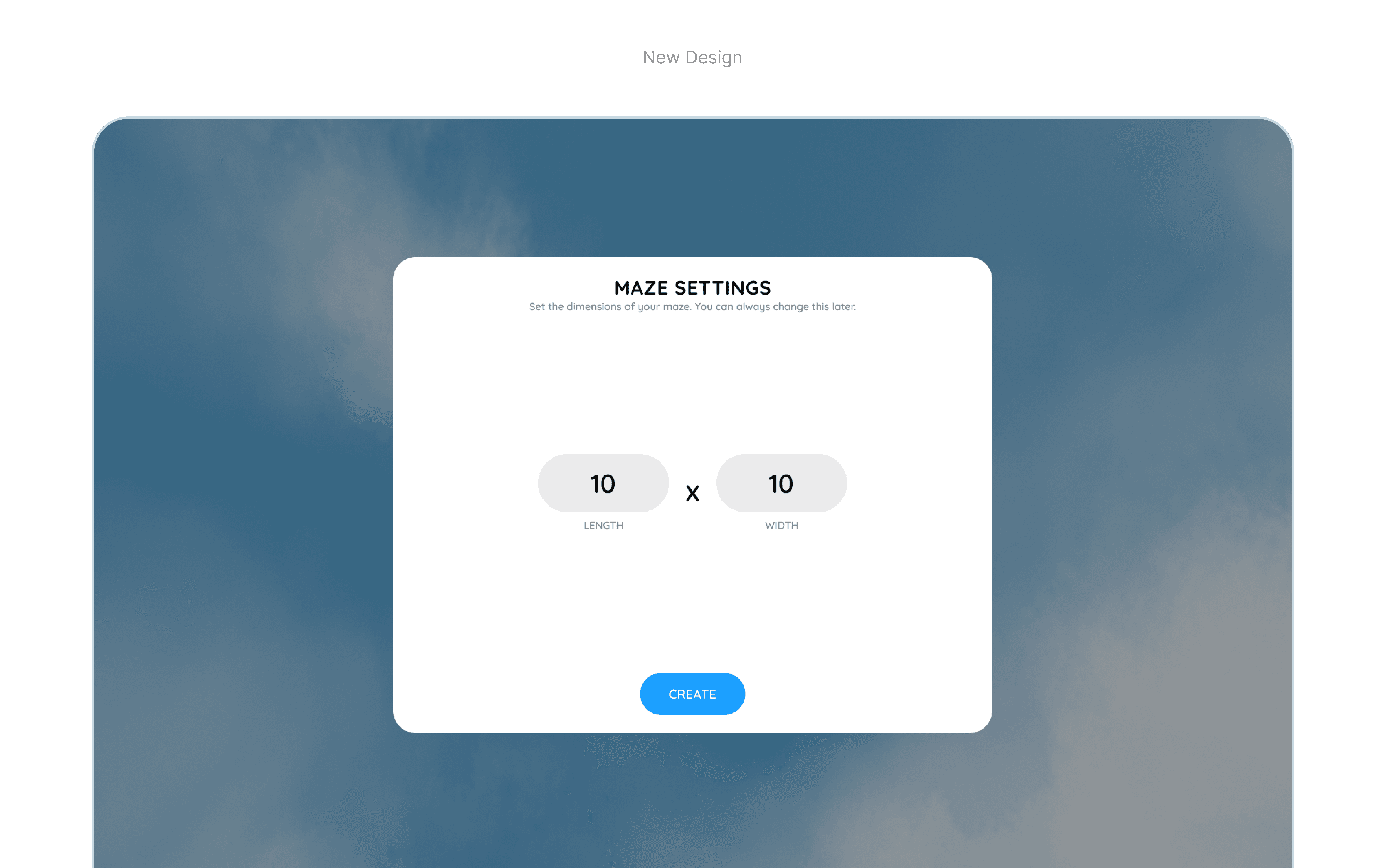
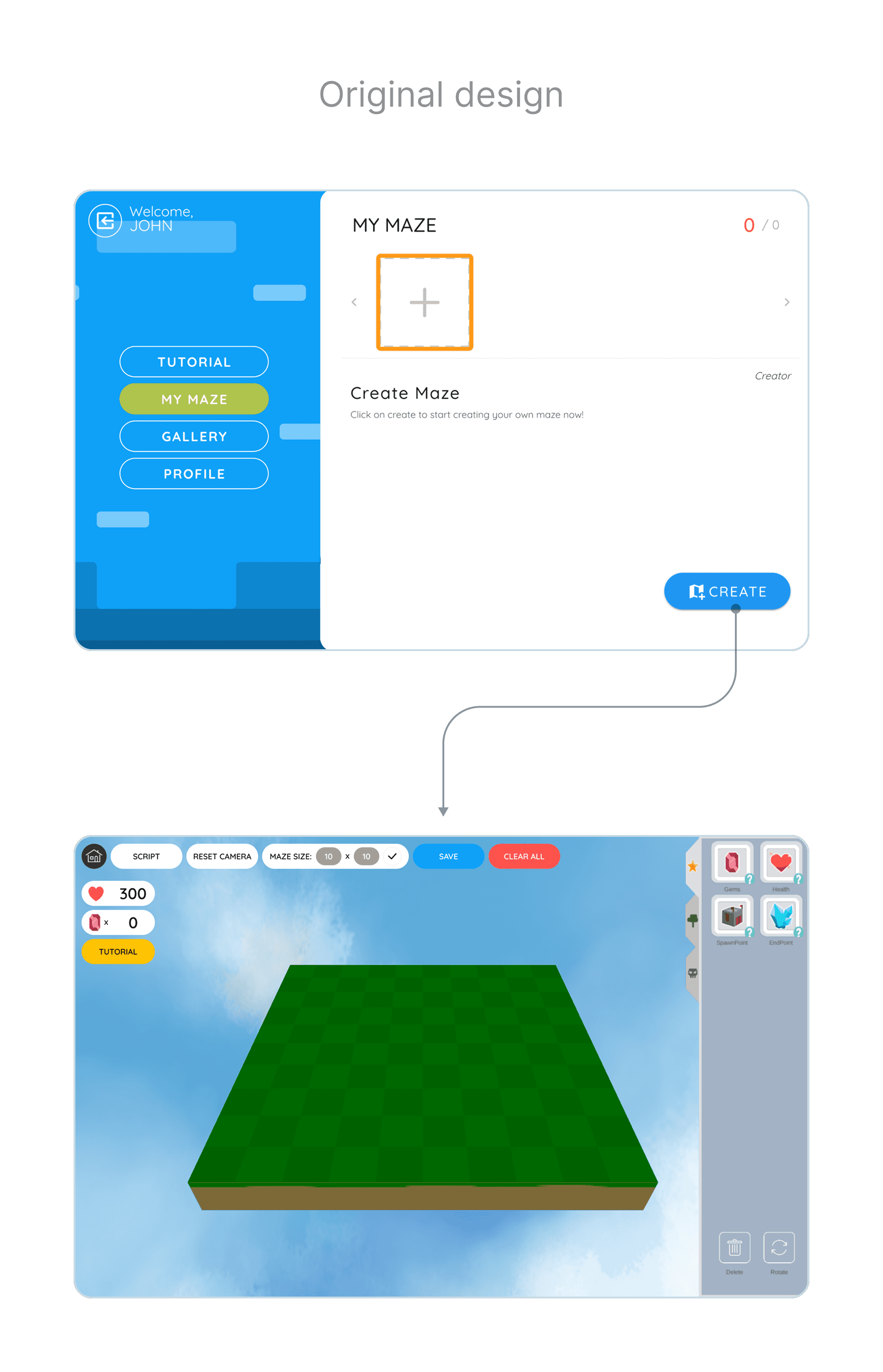
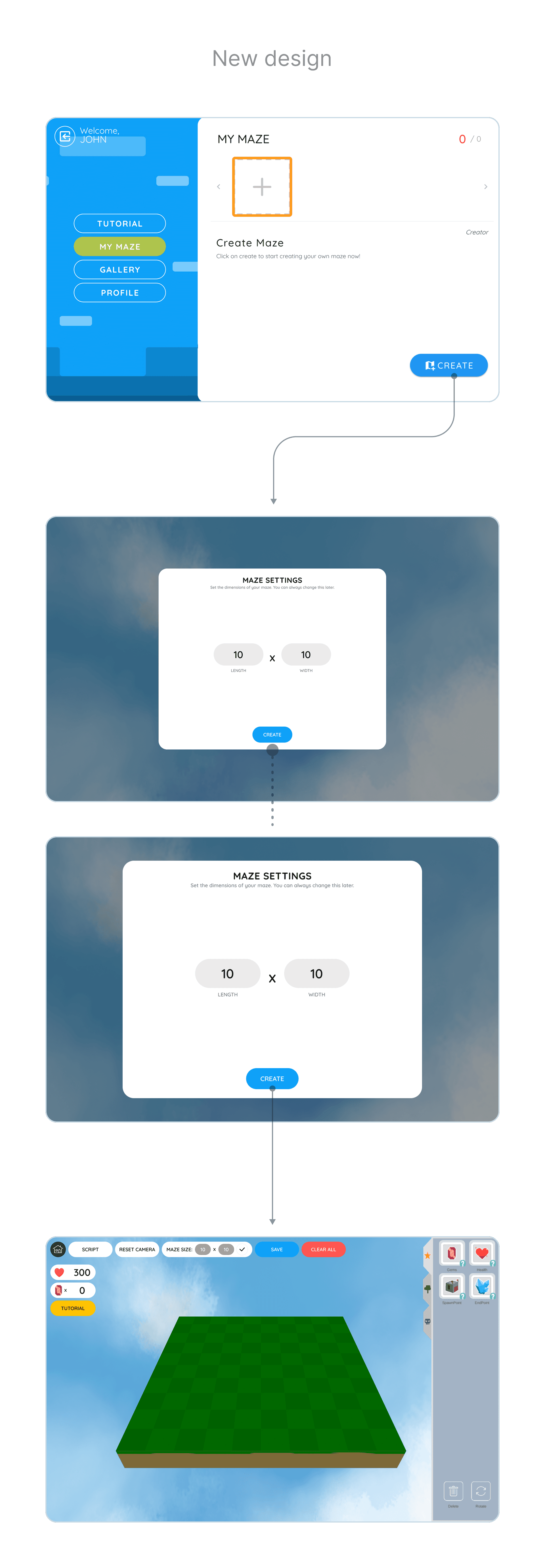
Providing agency without increasing complexity
Maze size configuration was previously optional and easy to overlook. By making it a required upfront step, this introduced agency while keeping the core workflow simple.
Providing agency without increasing complexity
Maze size configuration was previously optional and easy to overlook. By making it a required upfront step, this introduced agency while keeping the core workflow simple.
Providing agency without increasing complexity
Maze size configuration was previously optional and easy to overlook. By making it a required upfront step, this introduced agency while keeping the core workflow simple.
Providing agency without increasing complexity
Maze size configuration was previously optional and easy to overlook. By making it a required upfront step, this introduced agency while keeping the core workflow simple.
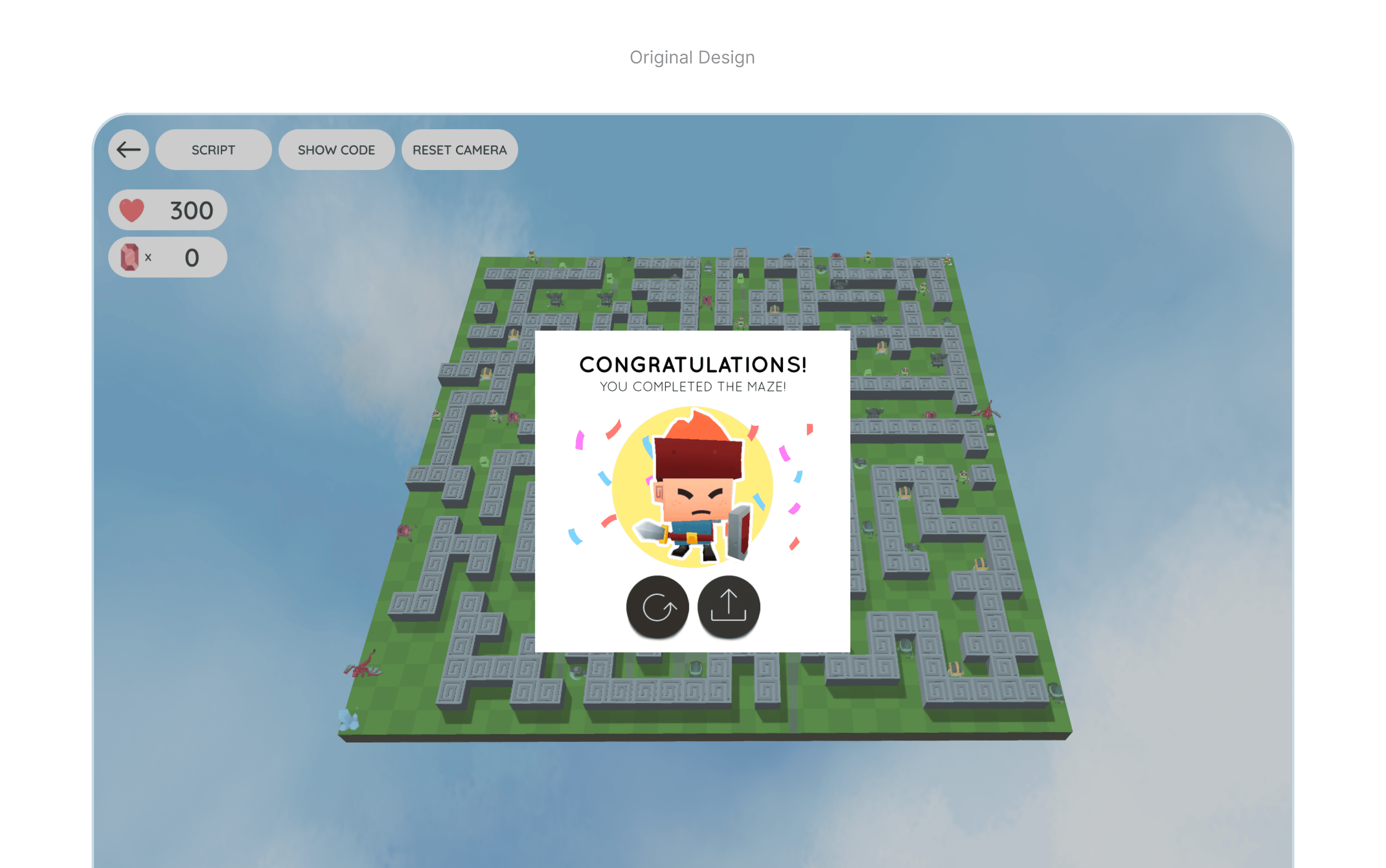
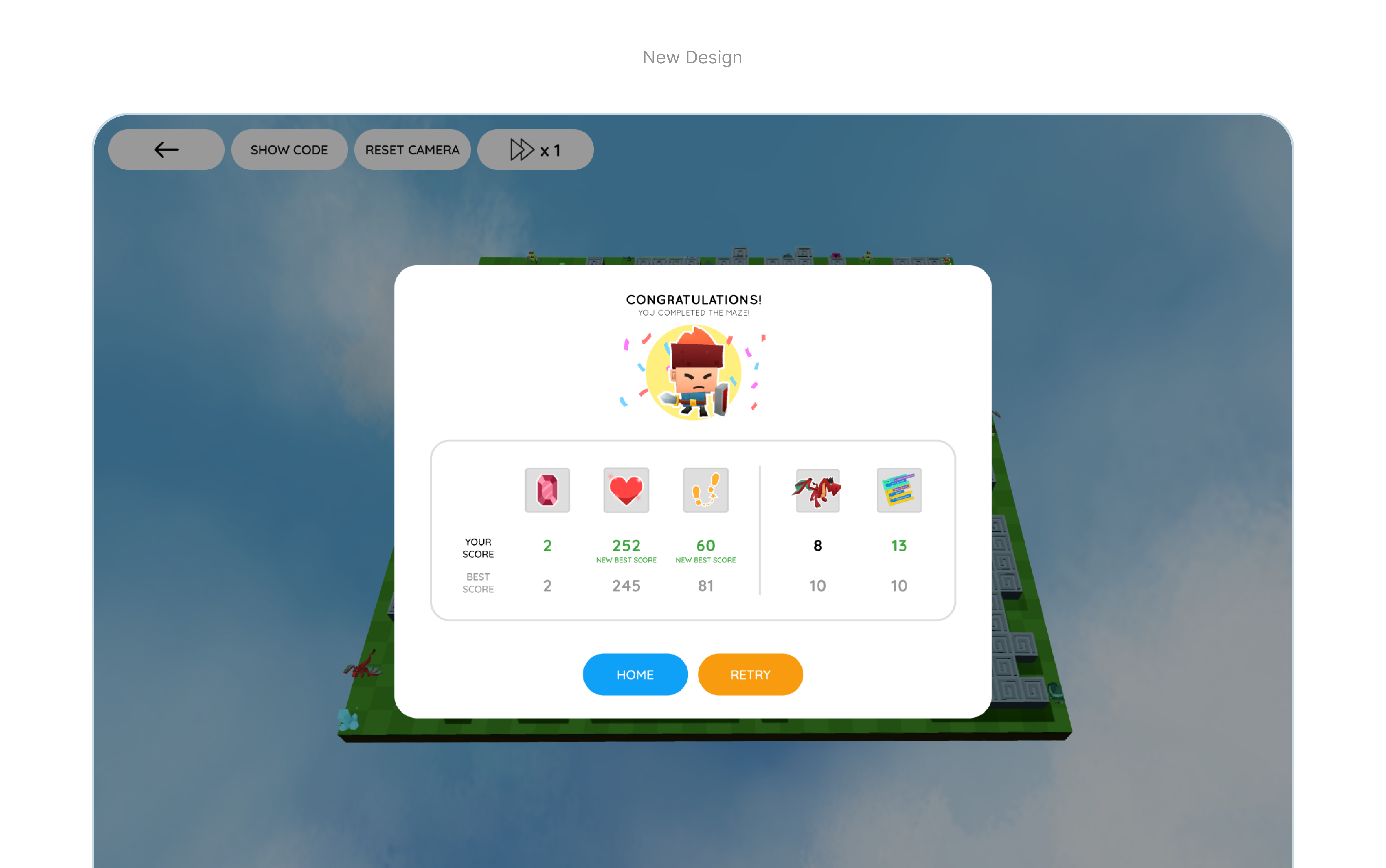
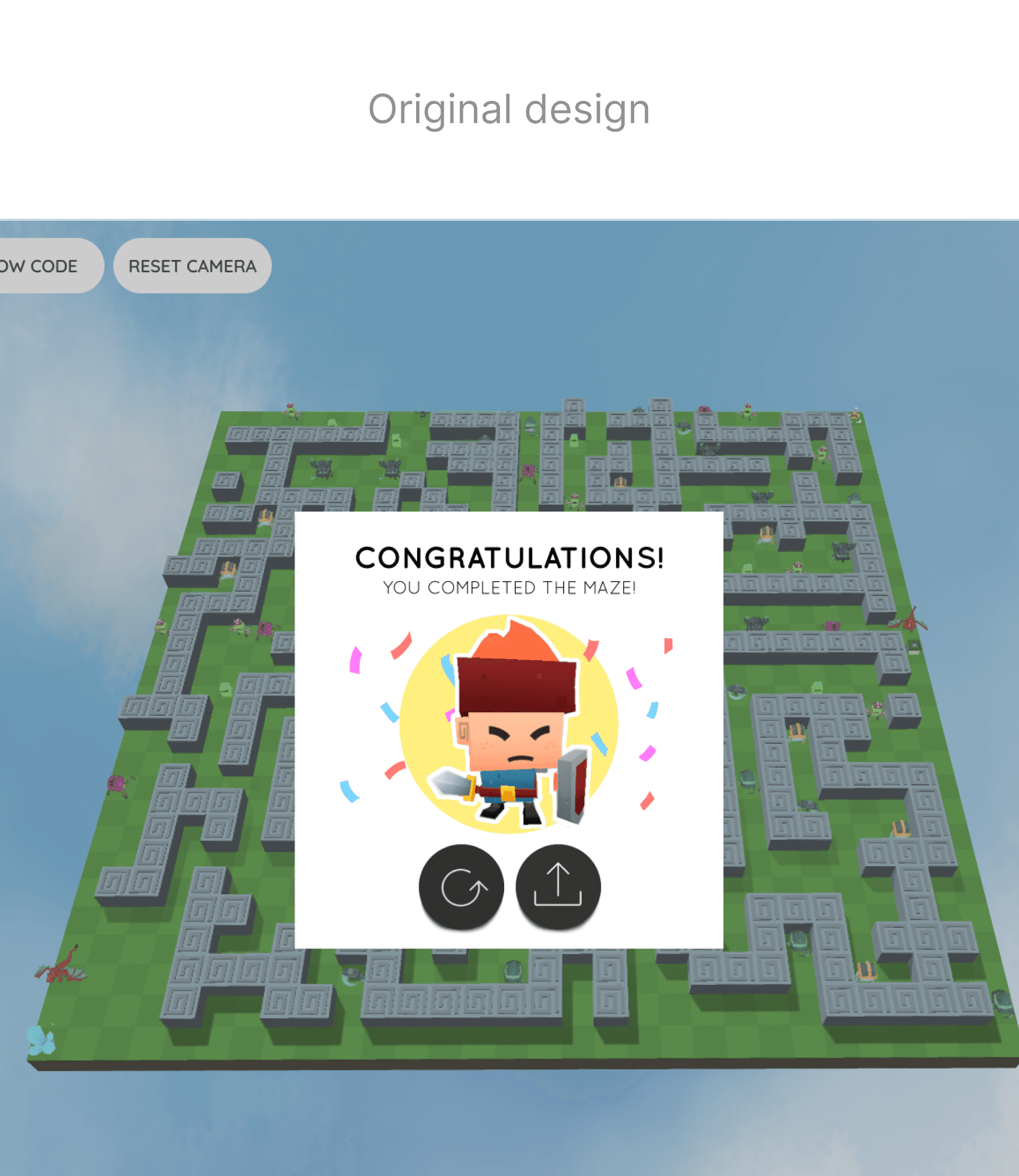
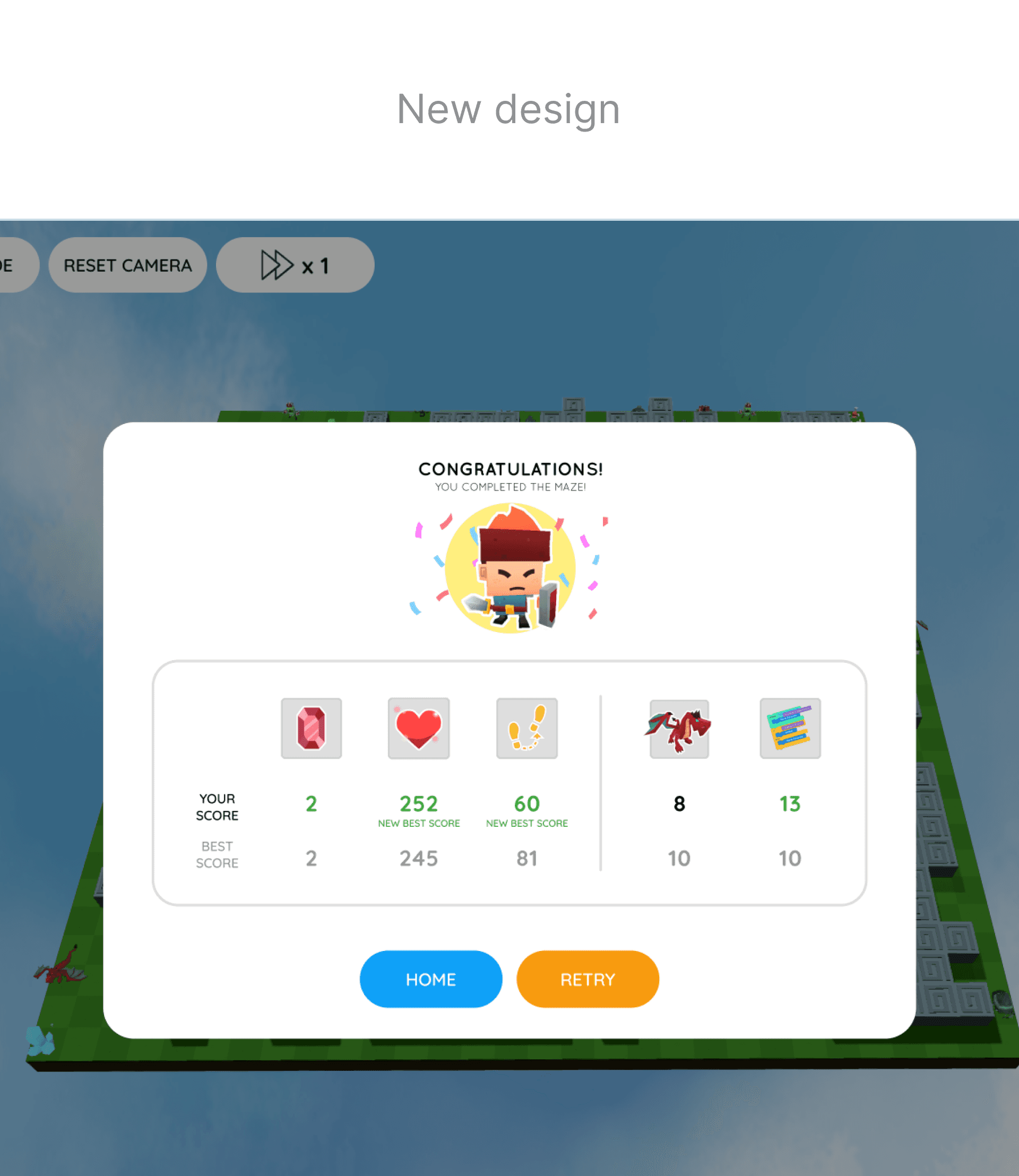
Making performance visible and motivating
Completing a maze previously provided no insight into how well students performed. The new design addresses this issue by showing a performance breakdown, encouraging students replay and improve their performance.
Making performance visible and motivating
Completing a maze previously provided no insight into how well students performed. The new design addresses this issue by showing a performance breakdown, encouraging students replay and improve their performance.
Making performance visible and motivating
Completing a maze previously provided no insight into how well students performed. The new design addresses this issue by showing a performance breakdown, encouraging students replay and improve their performance.
Making performance visible and motivating
Completing a maze previously provided no insight into how well students performed. The new design addresses this issue by showing a performance breakdown, encouraging students replay and improve their performance.
Making performance visible and motivating
Completing a maze previously provided no insight into how well students performed. The new design addresses this issue by showing a performance breakdown, encouraging students replay and improve their performance.
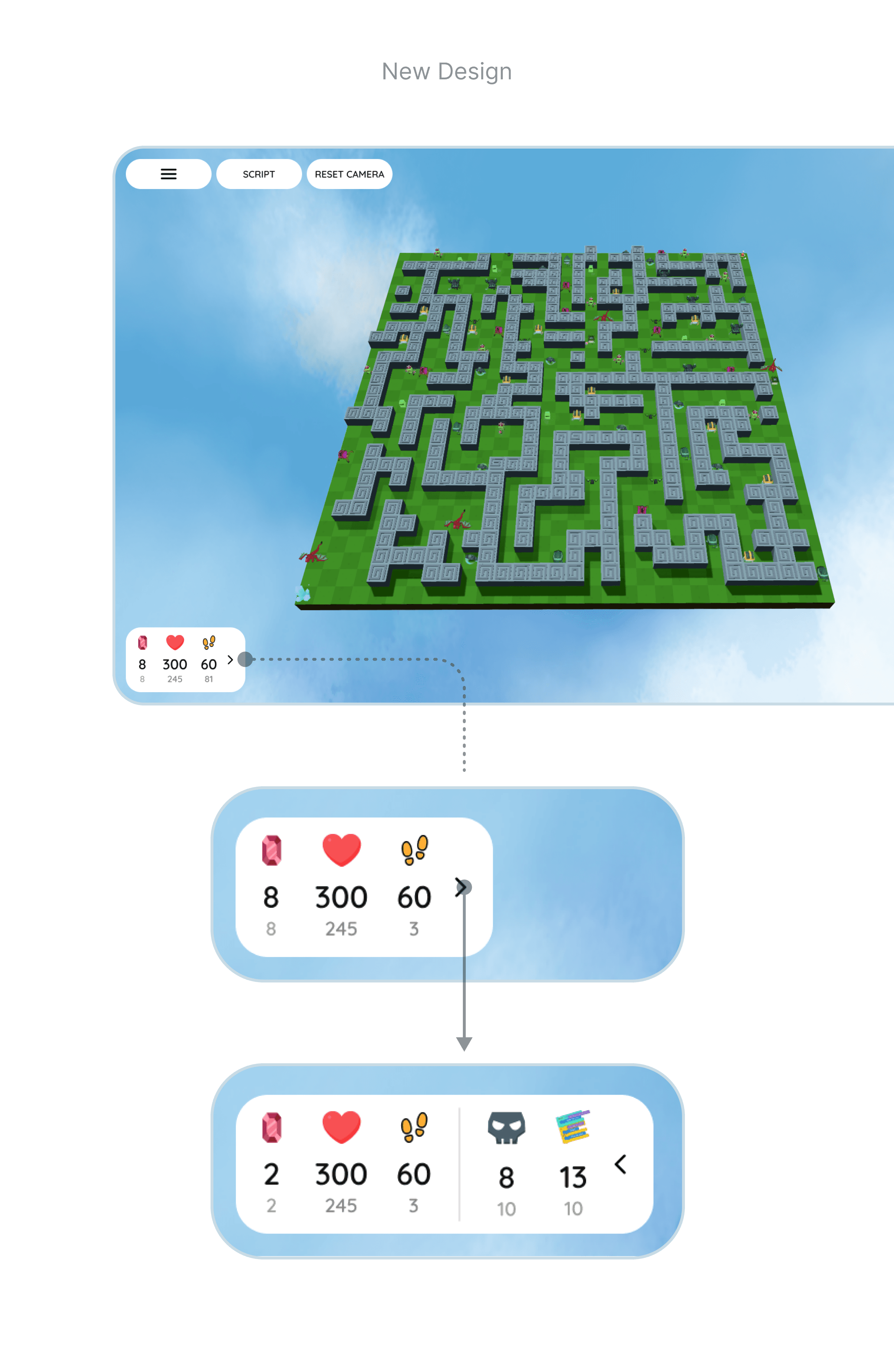
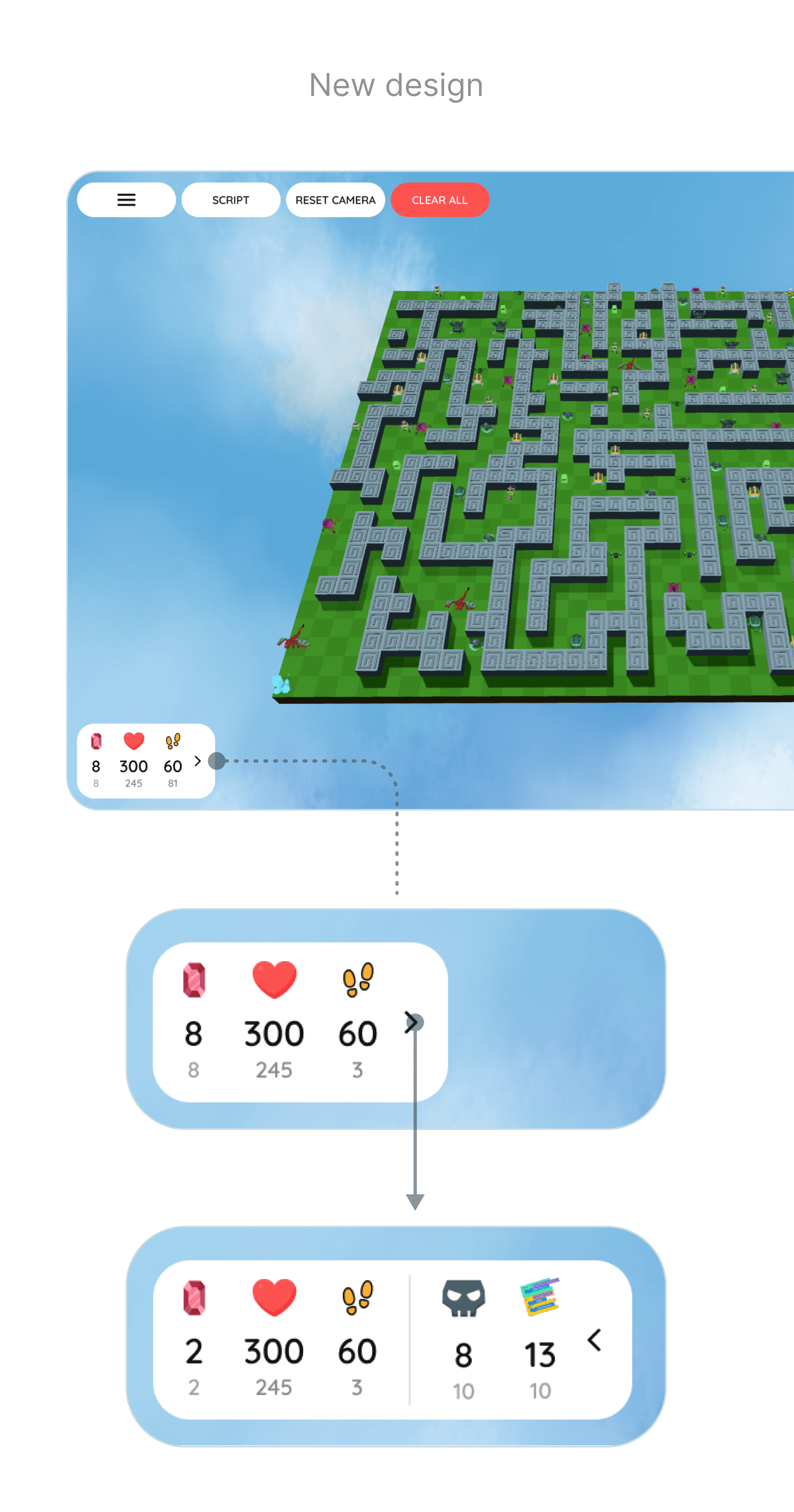
Supporting better decisions through feedback
In-game performance was previously limited. In the new design, a consolidated score panel surfaced key metrics to help students adjust their strategies in real time.
Supporting better decisions through feedback
In-game performance was previously limited. In the new design, a consolidated score panel surfaced key metrics to help students adjust their strategies in real time.
Supporting better decisions through feedback
In-game performance was previously limited. In the new design, a consolidated score panel surfaced key metrics to help students adjust their strategies in real time.
Supporting better decisions through feedback
In-game performance was previously limited. In the new design, a consolidated score panel surfaced key metrics to help students adjust their strategies in real time.
View other works
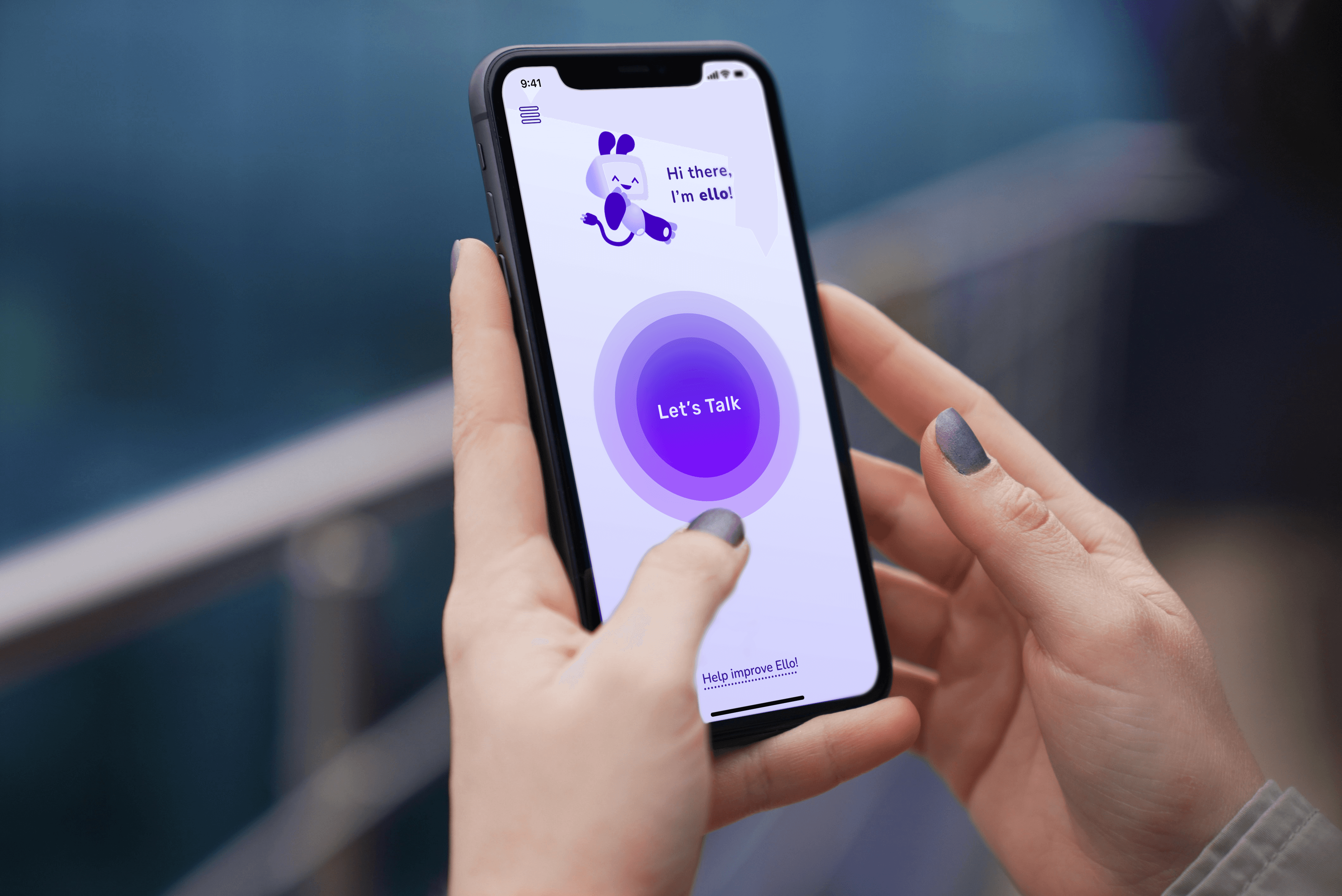
Ello
Edu-tech
Defining and validating demand for conversational English practice
View other works
Ello
Edu-tech
Defining and validating demand for conversational English practice
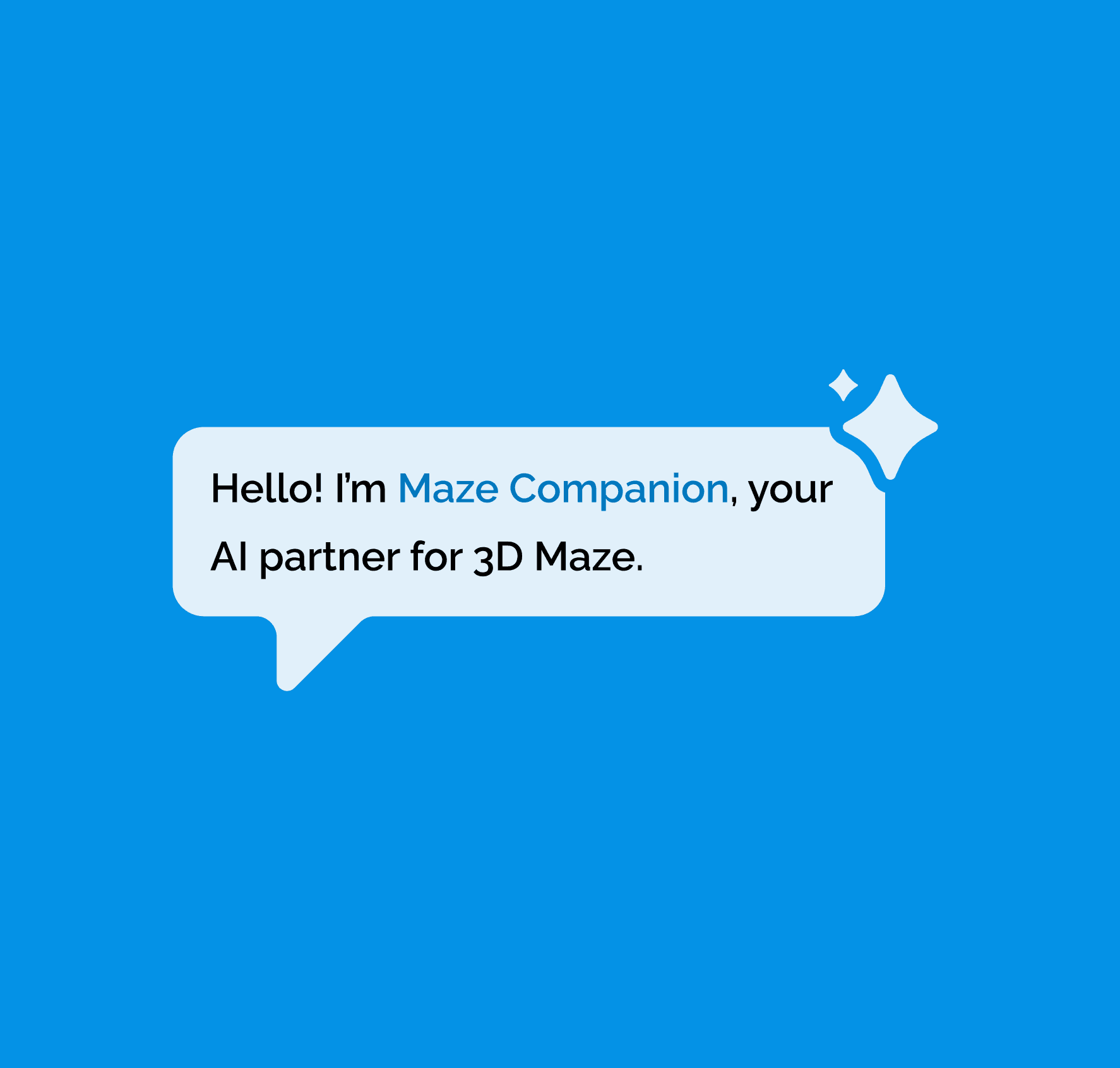
Maze Companion
Edu-tech
Developing an adaptive AI learning companion for 3D Maze users
Maze Companion
Edu-tech
Developing an adaptive AI learning companion for 3D Maze users
TEDxNTU website
Media and entertainment
Improving the TEDxNTU website’s user experience and engagement

TEDxNTU website
Media and entertainment
Improving the TEDxNTU website’s user experience and engagement
MIDAS
Healthcare
Helping stroke patients stay motivated during therapy
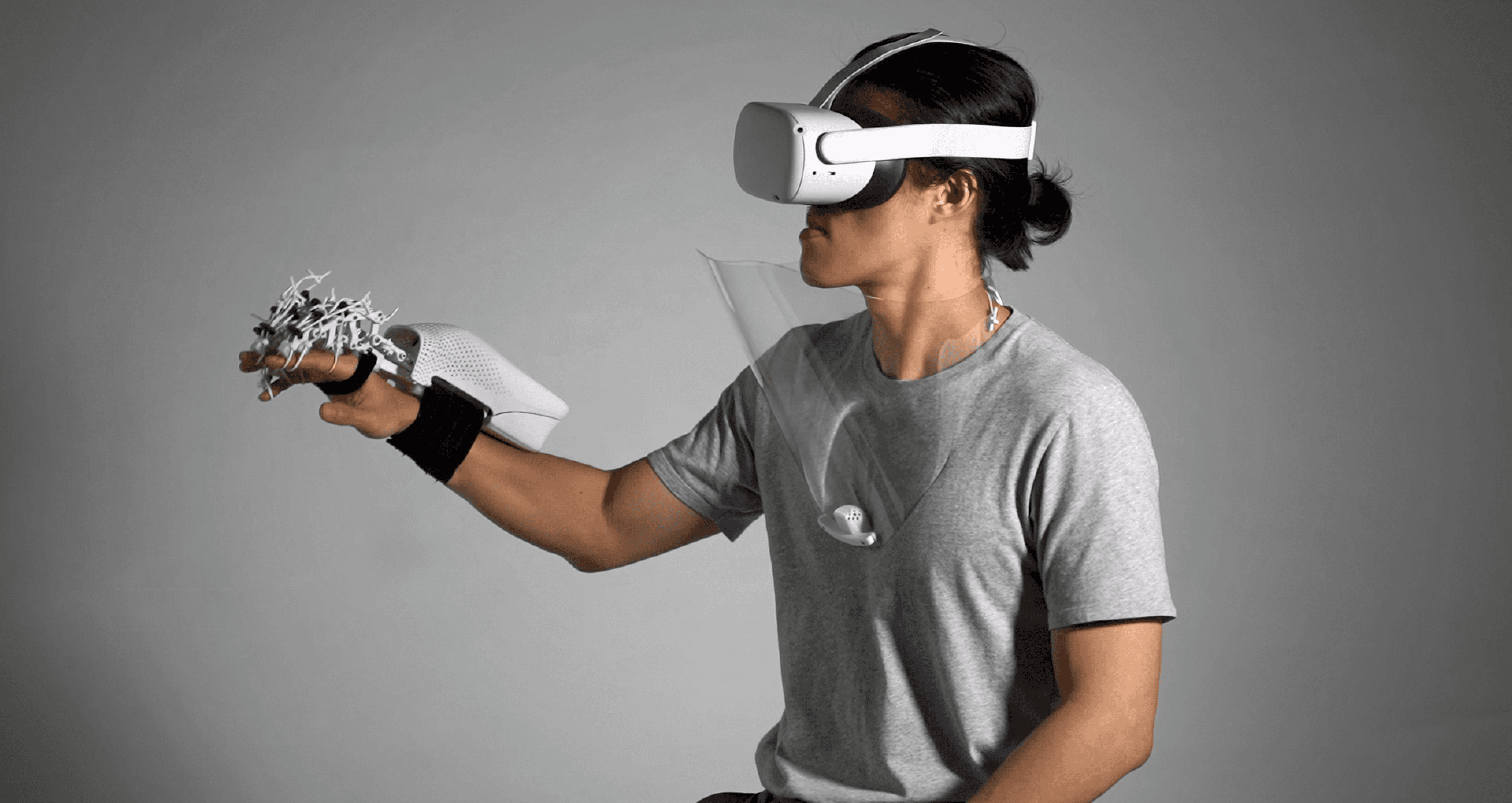
MIDAS
Healthcare
Helping stroke patients stay motivated during therapy